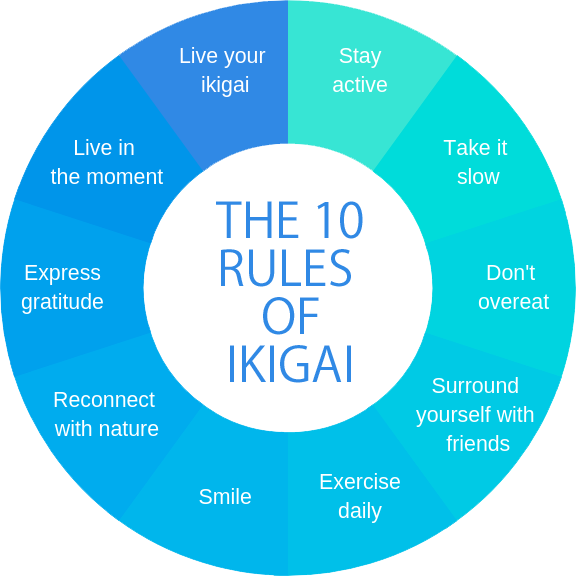
An Ikigai morning routine can help you begin the day with greater intention, calm, and purpose. The Japanese concept of ikigai is often translated as a “reason for being” or something that makes life feel worth living. It does not necessarily mean having one huge life mission. Ikigai can also be found in ordinary activities, relationships, hobbies, work, and small moments that give your day meaning.
A morning routine inspired by ikigai focuses on simple and repeatable habits rather than an extreme schedule. Instead of trying to wake up at 5 a.m., complete a long workout, read dozens of pages, and finish a huge list of tasks, the goal is to create a morning that connects you with what matters to you.
What Is an Ikigai Morning Routine?
An Ikigai morning routine is a way of starting your day with activities that support purpose, awareness, movement, gratitude, and personal enjoyment.
The word ikigai comes from Japanese and is commonly associated with having something that makes life meaningful or worthwhile. The popular four-circle diagram often connects what you love, what you are good at, what the world needs, and what you can be paid for. However, the traditional Japanese meaning of ikigai is broader than this diagram and can include simple everyday sources of meaning and satisfaction.
This makes the idea useful for a morning routine. Your ikigai does not have to be a successful career or a major personal achievement. It could be spending time with family, working on a creative project, caring for plants, learning something new, exercising, or simply enjoying a peaceful morning.
Why Start the Day With Ikigai?
The first part of the day can influence how you approach the hours that follow. A rushed morning filled with notifications and distractions can make it difficult to focus on meaningful activities.
An ikigai-inspired approach creates space before the day becomes busy. You can use this time to identify what matters, take care of yourself, and decide where your attention should go.
The important point is consistency. Ikigai is often discussed through the idea of small daily sources of meaning rather than waiting for one dramatic discovery. Current discussions of ikigai also emphasize small, repeatable habits as a practical way to bring purpose into everyday life.
1. Wake Up Without Immediately Checking Your Phone
One of the simplest ways to improve an Ikigai morning routine is to create a short period without your phone.
When you immediately check social media, messages, emails, or news, your attention can quickly shift toward other people’s priorities. Instead, give yourself a few minutes to wake up naturally and decide what you want from the day.
You do not need to avoid your phone for hours. Even 10 to 20 minutes without unnecessary notifications can give you an opportunity to think before becoming distracted.
During this time, ask yourself:
- What am I looking forward to today?
- What is important to me right now?
- What is one meaningful thing I can accomplish?
- Who or what am I grateful for?
These questions can make your morning more intentional.
2. Take a Few Quiet Minutes
An ikigai morning does not need to be complicated. Sit quietly for a few minutes and pay attention to your breathing.
You can close your eyes, take several slow breaths, and simply notice how you feel. The goal is not necessarily to achieve perfect meditation. It is to create a small pause between waking up and beginning your responsibilities.
Some people may prefer prayer, reflection, journaling, or quiet contemplation instead.
The important part is creating a moment in which you are present rather than immediately rushing into the next task.
3. Move Your Body
Movement is another useful part of an Ikigai morning routine. It does not have to mean an intense gym session.
A short walk, stretching session, mobility routine, yoga practice, or other light physical activity can be enough to get your body moving.
Some Japanese morning practices are associated with gentle movement, including Radio Taiso, a short exercise routine involving simple movements. Modern routines inspired by ikigai frequently recommend light movement rather than making every morning workout highly demanding.
Try starting with 10 to 20 minutes of movement.
For example:
- Stretch your shoulders and neck.
- Move your arms and legs.
- Do a few bodyweight exercises.
- Take a short walk outside.
- Finish with relaxed breathing.
The objective is consistency. A simple routine you can repeat is often easier to maintain than an exhausting routine that you abandon after a few days.
4. Get Some Natural Light
Spending some time outside in the morning can make your routine feel more connected to the natural beginning of the day.
You might sit near a bright window, walk outside, or simply spend a few minutes in an outdoor space.
A morning walk can combine several habits at once: movement, fresh air, quiet reflection, and time away from screens.
Rather than treating the morning as a race to complete as many tasks as possible, use it as an opportunity to slow down and become aware of your surroundings.
5. Practice Gratitude
Gratitude can be another simple component of an Ikigai morning routine.
You do not need to write a long gratitude journal. Write down one or two things you appreciate.
They can be extremely ordinary:
- Your family
- A peaceful morning
- Good health
- A friend
- Your work
- A hobby
- A meal
- A new opportunity
- Having another day to learn something
The purpose is not to pretend everything is perfect. Instead, gratitude can help you notice positive aspects of your life that are easy to overlook.
Recent writing on ikigai-inspired morning habits similarly emphasizes small moments of gratitude and purposeful action rather than complicated routines.
6. Identify One Purposeful Action
This may be the most important step in an Ikigai morning routine.
Choose one action that gives your day direction.
Instead of writing a list of 20 tasks, ask:
“What is one thing I can do today that genuinely matters?”
It could be finishing an important work project, helping someone, practicing a skill, spending meaningful time with family, exercising, studying, or making progress on a creative project.
The action does not need to change your life.
Small progress counts.
For example, if your long-term goal is learning a new skill, spending 20 minutes practicing it can be a purposeful action. If you want stronger relationships, sending a thoughtful message to someone can be meaningful.
This reflects a broader understanding of ikigai in which purpose can exist within ordinary daily activities.
7. Enjoy Something Small
An Ikigai morning routine should not become another productivity competition.
Make room for something you genuinely enjoy.
You might drink tea or coffee slowly, listen to music, read a few pages, care for a plant, watch the sunrise, cook breakfast, or spend time with someone you love.
These small pleasures matter because ikigai is not only about productivity or achievement. The concept can include everyday experiences that make life feel valuable and enjoyable.
Your morning should contain at least one activity that you want to do, not simply something you believe you should do.
8. Eat Breakfast Mindfully
If you eat breakfast, try not to rush through it while staring at your phone or working.
Instead, slow down and pay attention to the food.
You can use breakfast as another opportunity to practice awareness. Notice the taste, texture, temperature, and how you feel while eating.
Some modern discussions of Japanese-inspired routines also connect mindful eating with the principle of hara hachi bu, traditionally associated with stopping when you are around 80% full.
However, there is no requirement to follow a specific eating rule to practice ikigai. The broader goal is to be more conscious of your everyday habits.
9. Spend Time on Something Meaningful
Once your basic morning habits are finished, dedicate some time to something connected with your interests or values.
This could be:
- Writing
- Studying
- Designing
- Editing videos
- Reading
- Exercising
- Learning a language
- Building a business
- Practicing an instrument
- Working on a creative project
This is where your personal version of ikigai can become visible.
You may discover that certain activities consistently make you feel engaged and satisfied. Paying attention to these patterns can help you understand what gives your life meaning.
10. Keep Your Routine Simple
One of the biggest mistakes people make when creating a morning routine is adding too many habits.
A routine containing 15 different steps may look impressive, but it can quickly become difficult to maintain.
A simpler Ikigai morning routine could be:
Wake up → breathe → move → reflect → choose one purpose → enjoy breakfast → begin meaningful work.
That is enough.
You can gradually adjust the routine based on your schedule and personality.
The purpose is not to copy somebody else’s morning perfectly. It is to create a beginning to the day that works for you.
A Simple 30-Minute Ikigai Morning Routine
If you have limited time, try this 30-minute version:
| Time | Activity |
|---|---|
| 0–5 minutes | Wake up and avoid unnecessary phone use |
| 5–10 minutes | Breathing, prayer, meditation, or quiet reflection |
| 10–20 minutes | Walking, stretching, or light exercise |
| 20–25 minutes | Write one thing you appreciate |
| 25–30 minutes | Choose your most meaningful task for the day |
You can then continue with breakfast and your normal responsibilities.
The routine does not need to be identical every day. Flexibility is important because your energy, schedule, and responsibilities will change.
A Longer 60-Minute Ikigai Morning Routine
If you have more time, you can expand the routine:
5 minutes: Quiet reflection or breathing
10 minutes: Stretching and mobility
15 minutes: Outdoor walk
10 minutes: Breakfast or tea without distractions
5 minutes: Gratitude journaling
5 minutes: Decide your main purpose for the day
10 minutes: Start a meaningful personal project
This structure gives you time for your body, mind, relationships, and personal interests without turning the morning into an exhausting checklist.
How to Find Your Personal Ikigai Through Your Morning
Your morning routine can also help you understand your own ikigai.
Pay attention to activities that repeatedly make you feel engaged, useful, peaceful, or satisfied.
Ask yourself:
Who do I enjoy helping?
What kind of work feels meaningful to me?
What small moments make an ordinary day feel better?
You do not have to answer all these questions immediately.
Your understanding of ikigai can develop gradually as you observe your own life.
Ikigai Is Not About Having a Perfect Morning
There is no perfect Ikigai morning routine.
Some mornings will be productive. Others will be rushed. Sometimes you will sleep late, skip exercise, or spend too much time on your phone.
That does not mean you have failed.
The value of a routine comes from returning to it.
Ikigai is better understood as something that can be cultivated through everyday life rather than as a single achievement that you discover once and permanently possess. The Japanese concept can include relationships, activities, work, hobbies, and other sources of value and joy.
Therefore, do not worry about making every morning perfect.
Focus on making it meaningful.
Final Thoughts
An Ikigai morning routine is ultimately about starting your day with intention rather than automatically moving from one distraction to another.
You can begin with a few minutes of quiet, add gentle movement, get some natural light, practice gratitude, enjoy a simple breakfast, and choose one meaningful action.
Most importantly, remember that ikigai does not have to be a huge life purpose. It can exist in ordinary moments and activities that make your life feel worthwhile.
Start small. Choose habits that genuinely fit your life, repeat them consistently, and pay attention to what brings you a sense of meaning and satisfaction.
A purposeful day does not necessarily require a complicated morning. Sometimes, a few intentional minutes are enough to change the way you approach the rest of the day.
Leave a Reply