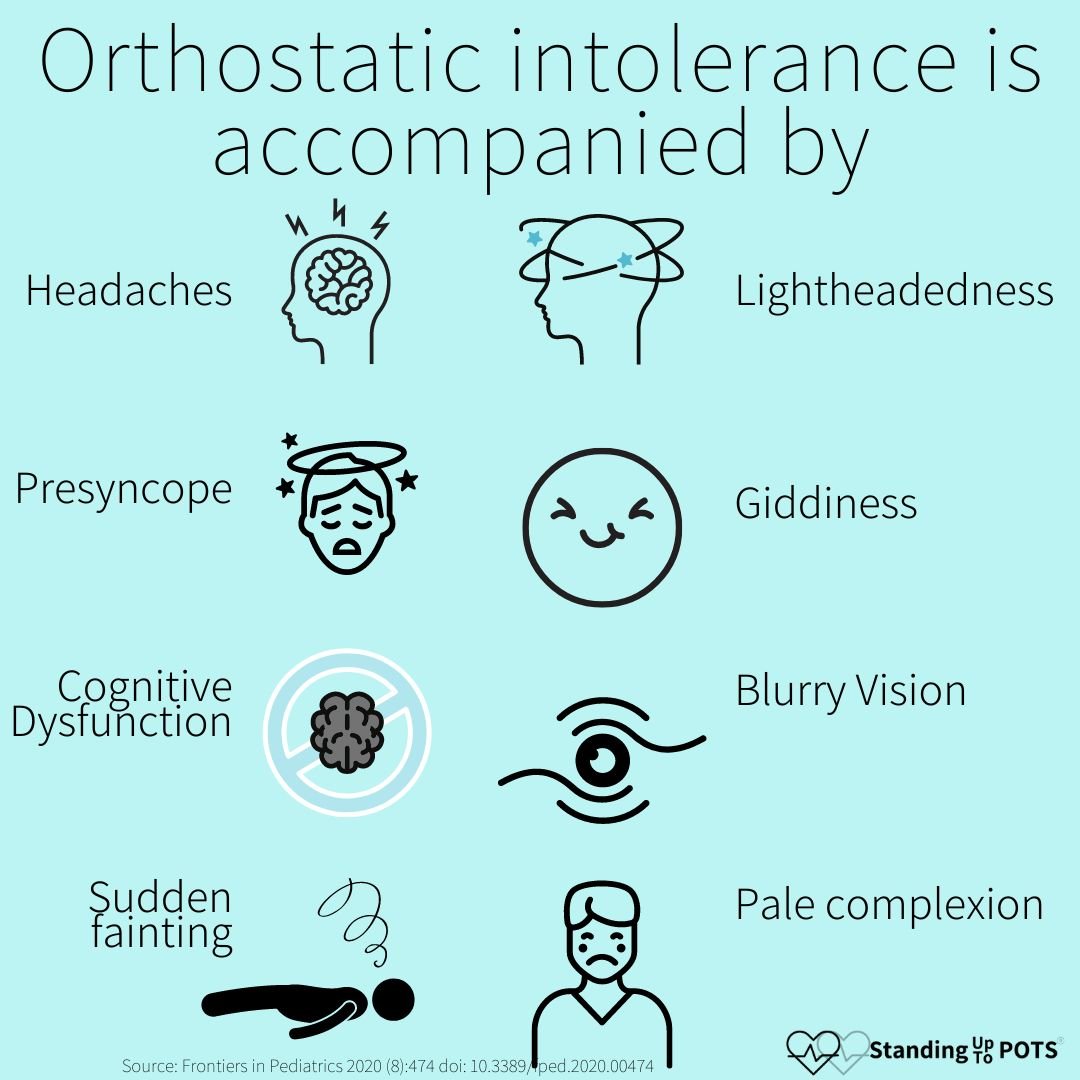
Orthostatic intolerance symptoms are physical symptoms that develop or become worse when a person stands or remains upright and often improve after sitting or lying down. These symptoms can occur because the body’s cardiovascular and nervous systems have difficulty maintaining adequate blood flow and regulating heart rate or blood pressure during changes in posture.
Orthostatic intolerance is not a single disease. It is a broad term used to describe problems associated with being upright. Several conditions can produce similar symptoms, including postural orthostatic tachycardia syndrome (POTS), orthostatic hypotension, and other forms of autonomic dysfunction.
Understanding the common signs can help people recognize patterns and discuss persistent symptoms with a healthcare professional.
What Is Orthostatic Intolerance?
When a person moves from lying down to standing, gravity causes some blood to move toward the lower body. Normally, the nervous system quickly responds by increasing vascular tone and making appropriate adjustments to heart rate and blood pressure.
When these mechanisms do not respond effectively, a person may experience symptoms while upright. The severity and combination of symptoms can vary considerably between individuals.
Orthostatic intolerance may be associated with autonomic nervous system problems, dehydration, prolonged inactivity, certain medications, cardiovascular conditions, or other underlying health issues. Determining the cause is important because treatment depends on the underlying condition.
Common Orthostatic Intolerance Symptoms
The symptoms of orthostatic intolerance can involve several parts of the body. Some people experience only mild lightheadedness, while others may have multiple symptoms at the same time.
1. Dizziness and Lightheadedness
Dizziness is one of the most recognizable orthostatic intolerance symptoms. A person may feel unsteady, lightheaded, or as though they might lose their balance shortly after standing.
The sensation may become more noticeable after standing for several minutes or after remaining upright for an extended period.
2. Feeling Faint or Fainting
Some people experience a sensation that they are about to faint. Vision may become dim, narrowed, or blurred, and weakness can occur.
In some cases, a person may actually lose consciousness. Repeated fainting should be medically evaluated because there are many possible causes beyond orthostatic intolerance.
3. Rapid Heartbeat and Palpitations
An unusually fast heartbeat or noticeable pounding of the heart can occur after standing.
Some people describe the sensation as their heart racing, fluttering, or beating strongly. A significant increase in heart rate after standing can occur in POTS, although having a fast heartbeat alone does not establish a diagnosis.
4. Fatigue and Weakness
Persistent fatigue is another possible symptom. A person may feel unusually tired after standing, walking, or completing routine activities.
This fatigue can sometimes make ordinary tasks more difficult, particularly when symptoms become worse after prolonged periods of being upright.
5. Brain Fog
Some people report difficulty thinking clearly while upright. They may have trouble concentrating, remembering information, processing thoughts, or finding words.
This experience is often described as “brain fog.” It can fluctuate throughout the day and may become more noticeable during periods of prolonged standing.
6. Headaches
Headaches can occur alongside other orthostatic symptoms. Some individuals notice that headaches become more prominent when upright and improve after resting or lying down.
Because headaches have many possible causes, their presence alone does not indicate orthostatic intolerance.
7. Vision Changes
Temporary changes in vision can occur when someone becomes lightheaded after standing. These may include:
- Blurred vision
- Tunnel vision
- Dimmed vision
- Difficulty focusing
- Seeing spots
Vision changes that are sudden, severe, persistent, or unrelated to changes in posture require appropriate medical evaluation.
8. Nausea
Nausea can accompany dizziness, rapid heart rate, and other symptoms. Some people may feel uncomfortable or lose their appetite when symptoms become intense.
Digestive symptoms can also occur with some autonomic disorders, making the overall symptom pattern different from person to person.
9. Shortness of Breath
Some people experience breathlessness or a sensation of not getting enough air while standing or performing physical activity.
Shortness of breath can have many causes, including heart and lung conditions, so persistent or severe breathing difficulties should not automatically be attributed to orthostatic intolerance.
10. Sweating and Temperature Sensitivity
Problems with autonomic regulation can sometimes affect sweating and temperature control. A person may feel unusually hot, sweat excessively, or have difficulty tolerating warm environments.
Heat can also make orthostatic symptoms more noticeable in some individuals.
When Do Orthostatic Intolerance Symptoms Become Worse?
Orthostatic intolerance symptoms often have a relationship with body position. They may become worse after moving from lying or sitting to standing.
Other situations that can aggravate symptoms include:
- Standing for a long time
- Hot weather or hot environments
- Dehydration
- Long periods of inactivity
- Physical exertion
- Standing after a prolonged period of sitting
- Large meals in some people
The exact triggers differ between individuals. Keeping a record of symptoms, activities, hydration, meals, and body position can sometimes help a healthcare professional identify patterns.
Orthostatic Intolerance and POTS
Postural orthostatic tachycardia syndrome, commonly called POTS, is one condition associated with orthostatic intolerance.
POTS involves an abnormal increase in heart rate when moving to an upright position, along with symptoms that occur while standing. Symptoms can include dizziness, palpitations, fatigue, weakness, brain fog, headaches, and exercise intolerance.
However, orthostatic intolerance and POTS are not interchangeable terms. A person can experience orthostatic intolerance without having POTS.
A healthcare professional uses specific clinical criteria and appropriate testing when determining whether POTS or another condition is present.
Orthostatic Intolerance and Orthostatic Hypotension
Orthostatic hypotension is another condition that can cause symptoms after standing. It involves a significant decrease in blood pressure after changing position.
Possible symptoms include dizziness, lightheadedness, weakness, blurred vision, and fainting.
Although orthostatic hypotension and POTS can both produce symptoms when standing, the underlying physiological changes are different. Proper measurement of blood pressure and heart rate can help distinguish between different conditions.
How Is Orthostatic Intolerance Evaluated?
A healthcare professional may begin by asking about the timing, severity, duration, and triggers of symptoms.
They may measure:
- Blood pressure
- Heart rate
- Heart rhythm
- Symptoms while lying down
- Symptoms after standing
- Changes in vital signs over time
Depending on the situation, additional tests may be recommended. A tilt-table test can be used in some cases to observe cardiovascular responses to changes in body position.
Other investigations may be appropriate when a doctor is looking for potential underlying causes.
What Can Trigger or Contribute to Symptoms?
Orthostatic symptoms can have numerous possible contributors. These may include dehydration, prolonged bed rest or inactivity, certain medications, blood loss, autonomic nervous system disorders, and some cardiovascular or neurological conditions.
Because the causes are diverse, it is important not to assume that every episode of dizziness after standing represents the same condition.
A medical evaluation can help identify whether symptoms are related to orthostatic intolerance or another problem.
Managing Orthostatic Intolerance Symptoms
Management depends on the underlying cause and should be individualized.
Healthcare professionals may recommend strategies such as maintaining appropriate hydration, avoiding excessive heat, changing positions gradually, and using physical activity appropriate to the person’s condition.
Some people may benefit from compression garments or adjustments to fluid and salt intake, but these approaches are not appropriate for everyone. People with certain heart, kidney, or blood-pressure conditions may need specific medical advice before making significant changes to fluid or salt intake.
Medications may also be considered in some cases when lifestyle measures are insufficient. Treatment should be guided by a qualified healthcare professional.
Keeping a Symptom Record
A symptom diary can be useful when evaluating recurring orthostatic intolerance symptoms.
You can record:
| Information | What to Note |
|---|---|
| Body position | Lying, sitting, or standing |
| Symptoms | Dizziness, fatigue, palpitations, nausea, etc. |
| Duration | How long symptoms lasted |
| Activity | Resting, walking, exercising, or standing |
| Environment | Heat, cold, crowded areas, etc. |
| Fluids | Approximate fluid intake |
| Meals | Timing and size of meals |
| Heart rate | If measured safely and appropriately |
| Blood pressure | If available and measured correctly |
This information may help a healthcare professional understand whether symptoms consistently occur after becoming upright.
When Should You Seek Medical Attention?
Occasional lightheadedness can have many causes, but repeated or unexplained episodes deserve medical attention.
Seek urgent medical care for symptoms such as severe chest pain, severe difficulty breathing, prolonged loss of consciousness, sudden neurological symptoms, or fainting associated with serious injury.
Repeated fainting, frequent palpitations, persistent dizziness, or significant limitations in daily activities should also be discussed with a healthcare professional.
Final Thoughts
Recognizing orthostatic intolerance symptoms can help people identify a pattern in which dizziness, lightheadedness, fatigue, palpitations, brain fog, nausea, or other symptoms appear or worsen while upright.
Orthostatic intolerance has multiple possible causes and can overlap with conditions such as POTS and orthostatic hypotension. Because similar symptoms can occur with other medical conditions, symptoms alone cannot establish a diagnosis.
If symptoms repeatedly occur when standing or interfere with everyday activities, professional evaluation can help determine the underlying cause and appropriate management.
Leave a Reply