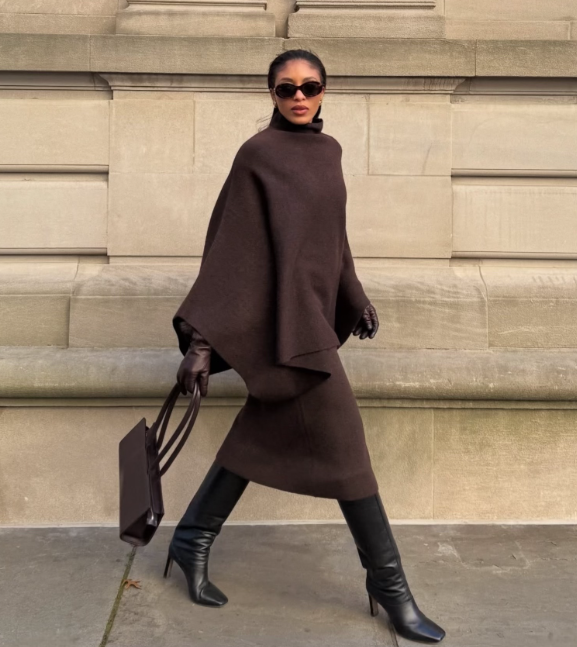
A capsule wardrobe is designed around a simple idea: having a smaller collection of clothing that can be combined in many different ways. Instead of filling a closet with items that are rarely worn, the focus is on versatile pieces that fit your lifestyle and work well together. Current wardrobe guides commonly emphasize basics such as T-shirts, button-down shirts, jeans, trousers, knitwear, jackets, and versatile shoes, while also noting that the ideal selection depends on personal style, climate, and daily activities.
What Is a Capsule Wardrobe?
A capsule wardrobe is a carefully selected collection of clothing that can create multiple outfits without requiring a large number of pieces. The goal is not simply to own as little clothing as possible. Instead, each item should have a useful role and work with several other pieces in the closet.
There is no universal number of items required for a capsule wardrobe. Some guides suggest around 25 to 40 pieces, while others focus more on how effectively the clothes can be mixed and matched.
This makes the concept flexible. Someone who works in an office may need more formal clothing, while another person may need mostly casual outfits. Your capsule should reflect your actual routine rather than someone else’s checklist.
The Most Useful Capsule Wardrobe Essentials
1. Plain T-Shirts
Plain T-shirts are one of the easiest foundations for a capsule wardrobe. White, black, grey, navy, beige, and other simple colors can work with jeans, trousers, skirts, jackets, and sweaters.
Choose comfortable fabrics and fits that you genuinely enjoy wearing. Having a few dependable T-shirts can provide the foundation for many casual outfits.
2. Button-Down Shirt
A classic button-down shirt can move between casual and more polished outfits. A white or light-colored version is particularly easy to combine with different bottoms.
It can be worn with jeans for a relaxed look, tucked into trousers for a smarter outfit, or layered underneath a sweater or jacket.
3. Versatile Jeans
A good pair of jeans can become one of the most frequently worn items in a capsule wardrobe. Instead of choosing a style simply because it is currently trending, consider which cut and rise you are most comfortable wearing.
A classic wash and versatile silhouette can work with T-shirts, shirts, sweaters, jackets, and sneakers.
4. Tailored Trousers
Jeans are useful for casual outfits, but tailored trousers provide another level of versatility. They can be used for work, dinners, meetings, or smart-casual occasions.
Neutral shades such as black, navy, grey, brown, or beige can make them easier to coordinate with different tops.
5. Sweater or Knitwear
A simple sweater adds warmth and provides an easy layering option. A neutral knit can be worn over a shirt, with jeans, or alongside tailored trousers.
For colder seasons, choosing quality knitwear that can withstand repeated wear can be more useful than purchasing several highly seasonal pieces.
6. Lightweight Jacket
A versatile jacket can help connect basic pieces into complete outfits. Depending on your climate and style, this could be a denim jacket, overshirt, bomber, trench coat, or another simple outer layer.
The most useful option is usually one that works with several existing outfits instead of something that only matches one particular look.
7. Blazer or Structured Layer
A blazer can give simple clothing a more polished appearance. It can be worn with trousers for formal situations or combined with jeans and a T-shirt for a more relaxed outfit.
You do not necessarily need one if your lifestyle rarely requires formal clothing. The important principle is to choose according to your actual needs.
8. Comfortable Sneakers
A neutral pair of sneakers can cover many everyday situations. White, black, grey, or another easy-to-coordinate shade can work with jeans, trousers, casual dresses, and other basics.
Comfort should matter as much as appearance because frequently worn shoes need to fit naturally into your daily routine.
9. Smart Shoes
A capsule wardrobe can also benefit from one polished footwear option. Depending on your style, this could be loafers, flats, boots, or another dressier shoe.
The purpose is to cover occasions where casual sneakers may not be appropriate.
10. Everyday Bag
A practical everyday bag can complete a capsule wardrobe without requiring several bags for different outfits. Look for a size, shape, and color that fit your daily activities.
A neutral bag can make coordination easier, but a personal accent color can also work if it complements the rest of your wardrobe.
How to Choose the Right Colors
Color coordination is one of the easiest ways to make a capsule wardrobe more versatile. Neutral colors such as black, white, grey, navy, beige, and brown can provide a foundation, while one or two accent colors can add personality.
The important thing is not to follow a strict color formula. Instead, choose colors that naturally work together. A cohesive palette means you can combine more of your clothes without spending much time planning outfits.
How Many Pieces Do You Need?
There is no single correct number. Some current capsule wardrobe guides use approximately 25 to 40 pieces as a starting point, but the appropriate size depends on lifestyle, climate, personal preferences, and how frequently clothes need to be rotated.
For example, someone living in a warm climate may need fewer heavy layers, while someone experiencing cold winters may require several sweaters, coats, and seasonal shoes.
Instead of trying to reach a specific number, look at how many outfits you can realistically create from what you own.
Build Around Your Lifestyle
The biggest mistake when creating a capsule wardrobe is buying a generic list of clothing without considering how you actually live.
Your wardrobe should solve your clothing needs rather than imitate somebody else’s closet.
Use What You Already Own
You do not need to purchase an entirely new wardrobe to create a capsule. Start by examining your existing clothes.
Separate them into three groups:
- Clothes you wear regularly
- Clothes you occasionally wear
- Clothes you rarely or never wear
The first group can reveal your real wardrobe essentials. The second group can help identify seasonal or occasion-specific pieces. The final group may reveal unnecessary duplicates or purchases that do not fit your lifestyle.
This approach can also prevent unnecessary spending.
Focus on Mix-and-Match Potential
A strong capsule wardrobe is not just a collection of individually useful items. The pieces should also work together.
For example, one pair of trousers becomes more valuable when it works with several shirts, sweaters, jackets, and shoes. Likewise, a simple shirt becomes more useful when it can be worn with jeans, trousers, skirts, or layered under outerwear.
This is why versatility is more important than simply counting how many clothes you own. Wardrobe guides similarly emphasize selecting pieces based on how many outfits they enable rather than treating a universal checklist as mandatory.
Add Seasonal Pieces Carefully
A capsule wardrobe does not have to remain identical throughout the year. Seasonal rotation can make the system more practical.
During warmer months, lightweight shirts, breathable trousers, shorts, dresses, and sandals may become more useful. During colder months, sweaters, coats, boots, scarves, and other layers can take their place.
The core pieces can remain while seasonal items are introduced when necessary.
Don’t Forget Personal Style
Capsule wardrobes are sometimes associated with plain or minimalist clothing, but they do not have to look boring.
You can include patterns, colors, accessories, statement jackets, jewelry, prints, or other pieces that reflect your personality. The key is to balance those items with versatile basics.
A capsule wardrobe should make your personal style easier to express, not remove it.
Final Thoughts
Capsule wardrobe essentials should make getting dressed simpler while giving you enough variety for your everyday life. Useful foundations can include plain T-shirts, button-down shirts, jeans, tailored trousers, knitwear, jackets, versatile footwear, and an everyday bag.
However, there is no universal capsule that works for everyone. The most effective wardrobe is based on your lifestyle, climate, personal style, and the clothes you actually wear. Start with what you already own, identify the pieces that work hardest, and gradually fill genuine gaps rather than buying an arbitrary number of new items.
Leave a Reply