Category: Uncategorized

  • Newspaper Preservation Techniques: A Practical Guide

    Newspaper Preservation Techniques: A Practical Guide

    Newspapers are valuable historical records that capture important events, advertisements, photographs, opinions, and everyday life. However, preserving them can be challenging because traditional newsprint is often made from inexpensive wood-pulp paper that naturally becomes acidic, brittle, yellow, and fragile as it ages. Proper newspaper preservation techniques can significantly slow this deterioration and help protect newspapers for future generations.

    Whether you are preserving a single historic newspaper, a family collection, or a large archive, the most effective approach involves appropriate storage, environmental control, careful handling, and digital or microfilm reproduction when necessary.

    Why Newspapers Are Difficult to Preserve

    Many newspapers produced from the mid-19th century onward were printed on machine-made wood-pulp paper. Unlike high-quality archival paper, this material was designed primarily to be inexpensive and practical rather than durable.

    As the paper ages, chemical reactions can cause it to become acidic. Exposure to heat, humidity, light, and pollutants can accelerate this process. Eventually, the newspaper may turn yellow or brown, lose flexibility, and become so brittle that pages can tear or crumble during handling.

    This is why preservation should ideally begin before serious deterioration occurs.

    1. Store Newspapers in a Cool, Stable Environment

    One of the most important newspaper preservation techniques is controlling the storage environment.

    The Library of Congress recommends keeping newspapers in a cool, stable location, ideally at temperatures no higher than about 70°F (21°C), with relative humidity generally around 30–55%. The National Archives gives a narrower target of approximately 60–70°F and 40–50% relative humidity for important newspaper artifacts.

    Avoid storing newspapers in:

    • Attics
    • Garages
    • Damp basements
    • Areas near radiators or heaters
    • Locations with large temperature fluctuations
    • Areas exposed to direct sunlight

    High temperatures can accelerate chemical deterioration, while excessive humidity can encourage mold growth and physical distortion.

    2. Protect Newspapers From Light

    Light can cause serious damage to newsprint. Prolonged exposure may lead to yellowing, darkening, fading, and increased brittleness.

    For long-term preservation, newspapers should therefore be kept away from direct sunlight and strong artificial light. If an important newspaper needs to be displayed, creating a high-quality reproduction is generally safer than displaying the original.

    This approach allows people to view the content without exposing the original artifact to continuous light.

    3. Use Archival Storage Materials

    The materials surrounding a newspaper can influence its long-term condition. Acid-free, lignin-free, and preferably buffered paper and board are recommended for archival newspaper housing.

    Newspapers can be placed in appropriately sized folders, boxes, or flat storage systems. Archival boxes provide physical protection while reducing exposure to environmental contaminants.

    For larger collections, flat storage drawers can be particularly useful because they provide full support for oversized newspapers. Shelving should also be stable and large enough to properly support the boxes and materials.

    4. Store Newspapers Flat

    Full-sized newspapers should generally be stored flat rather than repeatedly folded. Folding creates stress along the same lines and can eventually cause the paper to crack or break.

    The National Archives recommends storing newspapers flat inside protective folders or rigid boxes.

    Collections should also be organized carefully, preferably in chronological order. Clearly labeling boxes with newspaper titles and date ranges can reduce unnecessary handling when researchers need to locate a particular issue.

    5. Handle Newspapers Carefully

    Careful handling is one of the simplest and most affordable preservation measures.

    Before handling fragile newspapers, use clean hands and prepare a large, clean work surface. The surface should be large enough to fully support the opened newspaper. Food and drinks should be kept away from the workspace.

    When turning pages, support the paper with your hands instead of pulling on corners or edges. Fragile newsprint can easily tear when unsupported.

    Avoid:

    • Folding corners
    • Paper clips
    • Staples
    • Rubber bands
    • Glue
    • Adhesive tape
    • Sticky notes
    • Back-folding existing creases

    If a newspaper is already folded, it is safer to follow its original fold rather than forcing it into the opposite direction.

    6. Avoid DIY Repairs With Tape or Glue

    A common mistake is repairing torn newspapers with ordinary household tape or glue. Although these materials may appear to fix a tear temporarily, they can create additional problems over time.

    Pressure-sensitive tape and inappropriate adhesives can stain paper, become difficult to remove, and interfere with professional conservation treatments. The National Archives specifically advises against laminating newspapers or using pressure-sensitive mending tape on materials intended for preservation.

    If a historically important newspaper has major tears, severe brittleness, or other structural problems, professional conservation is usually the safer option.

    7. Consider Protective Sleeves for Clippings

    Newspaper clippings can be particularly difficult to handle because their small size and brittle edges make them vulnerable to tearing.

    Clear polyester, polypropylene, or polyethylene sleeves can provide additional protection for some clippings. However, plastic sleeves are not suitable for every situation because they can create static and do not provide the alkaline buffering offered by suitable archival paper materials.

    Newspaper clippings should also be kept separate from photographs, letters, and other sensitive documents because newsprint can transfer acidic materials and cause staining.

    8. Digitize Important Newspapers

    Digitization has become an important part of modern newspaper preservation.

    A high-quality digital scan can preserve access to the information contained in a newspaper while reducing the need to repeatedly handle the original. Digitization is especially useful for newspapers that are too fragile for frequent research use.

    When digitizing a fragile newspaper, it should not be pushed through an automatic document feeder. The Library of Congress recommends supporting the newspaper properly and using an appropriate flat scanning or imaging setup.

    Digital files should also have appropriate backups so that a single hard-drive failure does not eliminate the preservation copy.

    9. Use Microfilm for Large Collections

    Before widespread digital preservation, microfilming was an important method for preserving newspaper content.

    Preservation microfilm can provide stable, long-term access to newspaper information when produced and stored according to appropriate archival standards. It has historically been particularly useful for large newspaper collections.

    Many institutional preservation programs have also used microfilm as a source for later digitization. The Library of Congress continues to provide technical guidance for newspaper digitization programs.

    10. Professional Conservation Treatment

    Some newspapers become so fragile that ordinary storage and handling are no longer enough.

    Professional paper conservators can evaluate problems such as severe brittleness, tears, distortion, staining, and acidity. Depending on the condition and importance of the newspaper, conservation treatment may involve specialized techniques designed to stabilize the paper or reduce the effects of acidity.

    Such treatments should be considered carefully because conservation can be expensive, and different newspapers require different approaches.

    11. Make Copies for Display

    Historic newspapers should generally not be placed on permanent display in ordinary home or office environments.

    Light exposure can accelerate deterioration, particularly with poor-quality newsprint. Instead, a high-quality color reproduction or printed digital copy can be displayed while the original remains safely stored.

    This is particularly useful for newspapers featuring major historical events, family announcements, special editions, or other significant material.

    12. Create an Organized Preservation System

    Preservation is easier when a collection is properly organized.

    For a larger newspaper collection, consider recording:

    • Newspaper title
    • Publication date
    • Issue number
    • Location of storage
    • Condition
    • Missing issues
    • Digital-copy status
    • Conservation history

    Proper labeling reduces unnecessary handling and makes it easier to locate specific issues. The Library of Congress recommends labeling storage boxes with titles and date ranges and maintaining information about missing issues.

    Common Newspaper Preservation Mistakes

    Several seemingly helpful methods can actually damage newspapers over time. Common mistakes include storing newspapers in hot attics, exposing them to sunlight, folding them repeatedly, using household tape, placing them in poor-quality cardboard, and attempting aggressive repairs.

    Another mistake is handling fragile newspapers more than necessary. Once a collection has been digitized or microfilmed, researchers can often use the reproduction rather than repeatedly handling the original.

    Conclusion

    Effective newspaper preservation techniques focus on preventing damage rather than trying to repair severely deteriorated paper later. Cool and stable environmental conditions, limited light exposure, archival storage materials, flat storage, and careful handling can significantly extend the useful life of newsprint.

    For historically important or fragile newspapers, digitization and preservation microfilm can provide additional access while reducing physical handling. When a newspaper has severe damage, professional conservation is preferable to household repairs involving tape, glue, or lamination.

    By combining appropriate storage with careful handling and modern reformatting methods, individuals, libraries, and archives can preserve both the physical newspaper and the valuable historical information it contains.

  • Capsule Wardrobe Essentials for a Versatile Closet

    Capsule Wardrobe Essentials for a Versatile Closet

    A capsule wardrobe is designed around a simple idea: having a smaller collection of clothing that can be combined in many different ways. Instead of filling a closet with items that are rarely worn, the focus is on versatile pieces that fit your lifestyle and work well together. Current wardrobe guides commonly emphasize basics such as T-shirts, button-down shirts, jeans, trousers, knitwear, jackets, and versatile shoes, while also noting that the ideal selection depends on personal style, climate, and daily activities.

    What Is a Capsule Wardrobe?

    A capsule wardrobe is a carefully selected collection of clothing that can create multiple outfits without requiring a large number of pieces. The goal is not simply to own as little clothing as possible. Instead, each item should have a useful role and work with several other pieces in the closet.

    There is no universal number of items required for a capsule wardrobe. Some guides suggest around 25 to 40 pieces, while others focus more on how effectively the clothes can be mixed and matched.

    This makes the concept flexible. Someone who works in an office may need more formal clothing, while another person may need mostly casual outfits. Your capsule should reflect your actual routine rather than someone else’s checklist.

    The Most Useful Capsule Wardrobe Essentials

    1. Plain T-Shirts

    Plain T-shirts are one of the easiest foundations for a capsule wardrobe. White, black, grey, navy, beige, and other simple colors can work with jeans, trousers, skirts, jackets, and sweaters.

    Choose comfortable fabrics and fits that you genuinely enjoy wearing. Having a few dependable T-shirts can provide the foundation for many casual outfits.

    2. Button-Down Shirt

    A classic button-down shirt can move between casual and more polished outfits. A white or light-colored version is particularly easy to combine with different bottoms.

    It can be worn with jeans for a relaxed look, tucked into trousers for a smarter outfit, or layered underneath a sweater or jacket.

    3. Versatile Jeans

    A good pair of jeans can become one of the most frequently worn items in a capsule wardrobe. Instead of choosing a style simply because it is currently trending, consider which cut and rise you are most comfortable wearing.

    A classic wash and versatile silhouette can work with T-shirts, shirts, sweaters, jackets, and sneakers.

    4. Tailored Trousers

    Jeans are useful for casual outfits, but tailored trousers provide another level of versatility. They can be used for work, dinners, meetings, or smart-casual occasions.

    Neutral shades such as black, navy, grey, brown, or beige can make them easier to coordinate with different tops.

    5. Sweater or Knitwear

    A simple sweater adds warmth and provides an easy layering option. A neutral knit can be worn over a shirt, with jeans, or alongside tailored trousers.

    For colder seasons, choosing quality knitwear that can withstand repeated wear can be more useful than purchasing several highly seasonal pieces.

    6. Lightweight Jacket

    A versatile jacket can help connect basic pieces into complete outfits. Depending on your climate and style, this could be a denim jacket, overshirt, bomber, trench coat, or another simple outer layer.

    The most useful option is usually one that works with several existing outfits instead of something that only matches one particular look.

    7. Blazer or Structured Layer

    A blazer can give simple clothing a more polished appearance. It can be worn with trousers for formal situations or combined with jeans and a T-shirt for a more relaxed outfit.

    You do not necessarily need one if your lifestyle rarely requires formal clothing. The important principle is to choose according to your actual needs.

    8. Comfortable Sneakers

    A neutral pair of sneakers can cover many everyday situations. White, black, grey, or another easy-to-coordinate shade can work with jeans, trousers, casual dresses, and other basics.

    Comfort should matter as much as appearance because frequently worn shoes need to fit naturally into your daily routine.

    9. Smart Shoes

    A capsule wardrobe can also benefit from one polished footwear option. Depending on your style, this could be loafers, flats, boots, or another dressier shoe.

    The purpose is to cover occasions where casual sneakers may not be appropriate.

    10. Everyday Bag

    A practical everyday bag can complete a capsule wardrobe without requiring several bags for different outfits. Look for a size, shape, and color that fit your daily activities.

    A neutral bag can make coordination easier, but a personal accent color can also work if it complements the rest of your wardrobe.

    How to Choose the Right Colors

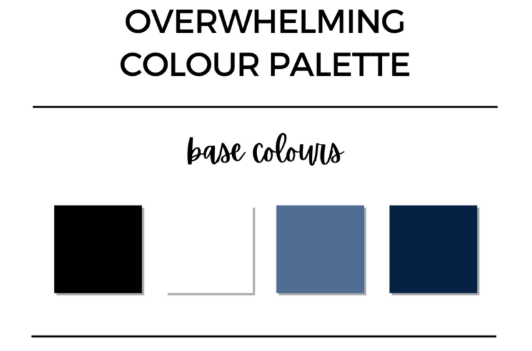
    Color coordination is one of the easiest ways to make a capsule wardrobe more versatile. Neutral colors such as black, white, grey, navy, beige, and brown can provide a foundation, while one or two accent colors can add personality.

    The important thing is not to follow a strict color formula. Instead, choose colors that naturally work together. A cohesive palette means you can combine more of your clothes without spending much time planning outfits.

    How Many Pieces Do You Need?

    There is no single correct number. Some current capsule wardrobe guides use approximately 25 to 40 pieces as a starting point, but the appropriate size depends on lifestyle, climate, personal preferences, and how frequently clothes need to be rotated.

    For example, someone living in a warm climate may need fewer heavy layers, while someone experiencing cold winters may require several sweaters, coats, and seasonal shoes.

    Instead of trying to reach a specific number, look at how many outfits you can realistically create from what you own.

    Build Around Your Lifestyle

    The biggest mistake when creating a capsule wardrobe is buying a generic list of clothing without considering how you actually live.

    Your wardrobe should solve your clothing needs rather than imitate somebody else’s closet.

    Use What You Already Own

    You do not need to purchase an entirely new wardrobe to create a capsule. Start by examining your existing clothes.

    Separate them into three groups:

    • Clothes you wear regularly
    • Clothes you occasionally wear
    • Clothes you rarely or never wear

    The first group can reveal your real wardrobe essentials. The second group can help identify seasonal or occasion-specific pieces. The final group may reveal unnecessary duplicates or purchases that do not fit your lifestyle.

    This approach can also prevent unnecessary spending.

    Focus on Mix-and-Match Potential

    A strong capsule wardrobe is not just a collection of individually useful items. The pieces should also work together.

    For example, one pair of trousers becomes more valuable when it works with several shirts, sweaters, jackets, and shoes. Likewise, a simple shirt becomes more useful when it can be worn with jeans, trousers, skirts, or layered under outerwear.

    This is why versatility is more important than simply counting how many clothes you own. Wardrobe guides similarly emphasize selecting pieces based on how many outfits they enable rather than treating a universal checklist as mandatory.

    Add Seasonal Pieces Carefully

    A capsule wardrobe does not have to remain identical throughout the year. Seasonal rotation can make the system more practical.

    During warmer months, lightweight shirts, breathable trousers, shorts, dresses, and sandals may become more useful. During colder months, sweaters, coats, boots, scarves, and other layers can take their place.

    The core pieces can remain while seasonal items are introduced when necessary.

    Don’t Forget Personal Style

    Capsule wardrobes are sometimes associated with plain or minimalist clothing, but they do not have to look boring.

    You can include patterns, colors, accessories, statement jackets, jewelry, prints, or other pieces that reflect your personality. The key is to balance those items with versatile basics.

    A capsule wardrobe should make your personal style easier to express, not remove it.

    Final Thoughts

    Capsule wardrobe essentials should make getting dressed simpler while giving you enough variety for your everyday life. Useful foundations can include plain T-shirts, button-down shirts, jeans, tailored trousers, knitwear, jackets, versatile footwear, and an everyday bag.

    However, there is no universal capsule that works for everyone. The most effective wardrobe is based on your lifestyle, climate, personal style, and the clothes you actually wear. Start with what you already own, identify the pieces that work hardest, and gradually fill genuine gaps rather than buying an arbitrary number of new items.

  • Orthostatic Intolerance Symptoms: Common Signs and Causes

    Orthostatic Intolerance Symptoms: Common Signs and Causes

    Orthostatic intolerance symptoms are physical symptoms that develop or become worse when a person stands or remains upright and often improve after sitting or lying down. These symptoms can occur because the body’s cardiovascular and nervous systems have difficulty maintaining adequate blood flow and regulating heart rate or blood pressure during changes in posture.

    Orthostatic intolerance is not a single disease. It is a broad term used to describe problems associated with being upright. Several conditions can produce similar symptoms, including postural orthostatic tachycardia syndrome (POTS), orthostatic hypotension, and other forms of autonomic dysfunction.

    Understanding the common signs can help people recognize patterns and discuss persistent symptoms with a healthcare professional.

    What Is Orthostatic Intolerance?

    When a person moves from lying down to standing, gravity causes some blood to move toward the lower body. Normally, the nervous system quickly responds by increasing vascular tone and making appropriate adjustments to heart rate and blood pressure.

    When these mechanisms do not respond effectively, a person may experience symptoms while upright. The severity and combination of symptoms can vary considerably between individuals.

    Orthostatic intolerance may be associated with autonomic nervous system problems, dehydration, prolonged inactivity, certain medications, cardiovascular conditions, or other underlying health issues. Determining the cause is important because treatment depends on the underlying condition.

    Common Orthostatic Intolerance Symptoms

    The symptoms of orthostatic intolerance can involve several parts of the body. Some people experience only mild lightheadedness, while others may have multiple symptoms at the same time.

    1. Dizziness and Lightheadedness

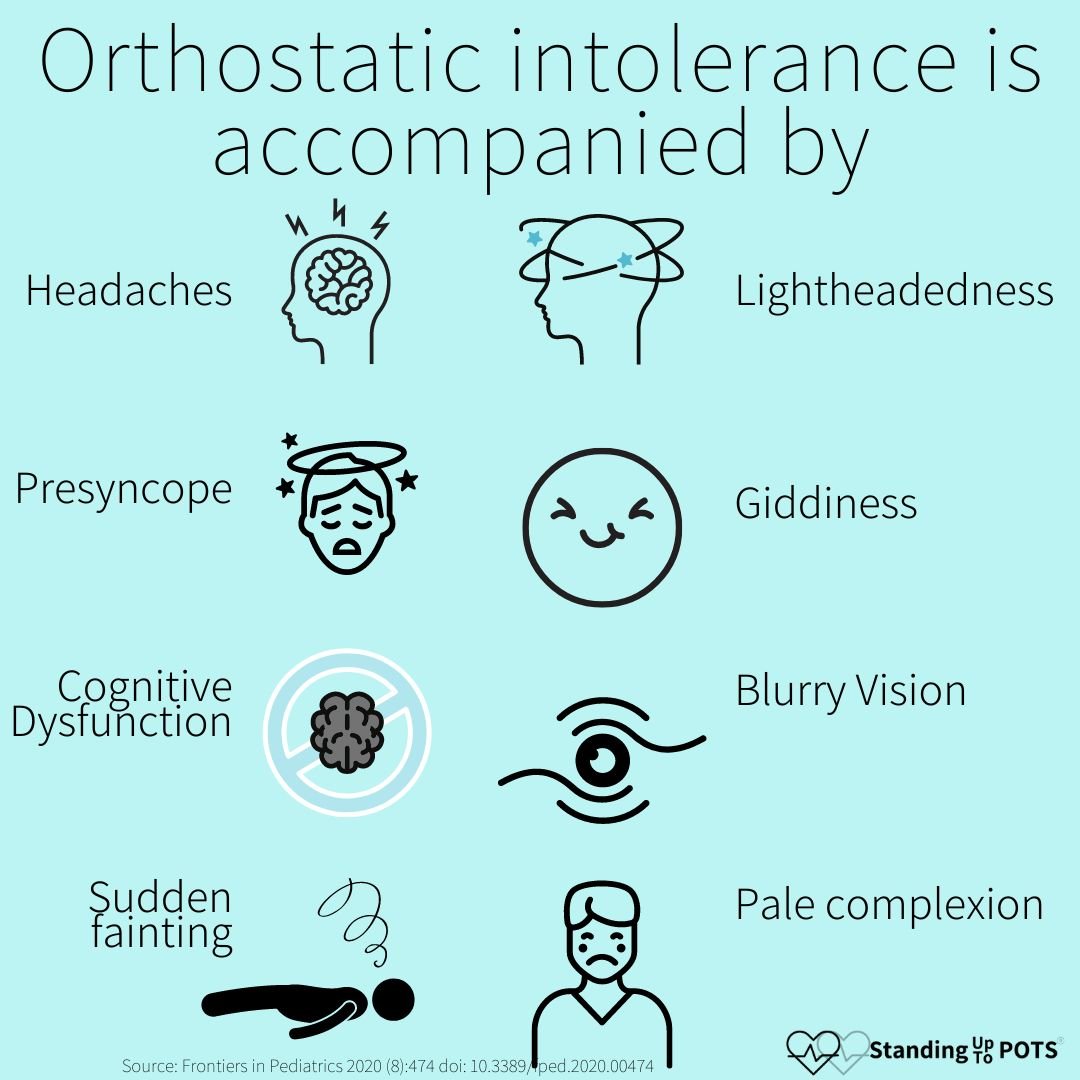
    Dizziness is one of the most recognizable orthostatic intolerance symptoms. A person may feel unsteady, lightheaded, or as though they might lose their balance shortly after standing.

    The sensation may become more noticeable after standing for several minutes or after remaining upright for an extended period.

    2. Feeling Faint or Fainting

    Some people experience a sensation that they are about to faint. Vision may become dim, narrowed, or blurred, and weakness can occur.

    In some cases, a person may actually lose consciousness. Repeated fainting should be medically evaluated because there are many possible causes beyond orthostatic intolerance.

    3. Rapid Heartbeat and Palpitations

    An unusually fast heartbeat or noticeable pounding of the heart can occur after standing.

    Some people describe the sensation as their heart racing, fluttering, or beating strongly. A significant increase in heart rate after standing can occur in POTS, although having a fast heartbeat alone does not establish a diagnosis.

    4. Fatigue and Weakness

    Persistent fatigue is another possible symptom. A person may feel unusually tired after standing, walking, or completing routine activities.

    This fatigue can sometimes make ordinary tasks more difficult, particularly when symptoms become worse after prolonged periods of being upright.

    5. Brain Fog

    Some people report difficulty thinking clearly while upright. They may have trouble concentrating, remembering information, processing thoughts, or finding words.

    This experience is often described as “brain fog.” It can fluctuate throughout the day and may become more noticeable during periods of prolonged standing.

    6. Headaches

    Headaches can occur alongside other orthostatic symptoms. Some individuals notice that headaches become more prominent when upright and improve after resting or lying down.

    Because headaches have many possible causes, their presence alone does not indicate orthostatic intolerance.

    7. Vision Changes

    Temporary changes in vision can occur when someone becomes lightheaded after standing. These may include:

    • Blurred vision
    • Tunnel vision
    • Dimmed vision
    • Difficulty focusing
    • Seeing spots

    Vision changes that are sudden, severe, persistent, or unrelated to changes in posture require appropriate medical evaluation.

    8. Nausea

    Nausea can accompany dizziness, rapid heart rate, and other symptoms. Some people may feel uncomfortable or lose their appetite when symptoms become intense.

    Digestive symptoms can also occur with some autonomic disorders, making the overall symptom pattern different from person to person.

    9. Shortness of Breath

    Some people experience breathlessness or a sensation of not getting enough air while standing or performing physical activity.

    Shortness of breath can have many causes, including heart and lung conditions, so persistent or severe breathing difficulties should not automatically be attributed to orthostatic intolerance.

    10. Sweating and Temperature Sensitivity

    Problems with autonomic regulation can sometimes affect sweating and temperature control. A person may feel unusually hot, sweat excessively, or have difficulty tolerating warm environments.

    Heat can also make orthostatic symptoms more noticeable in some individuals.

    When Do Orthostatic Intolerance Symptoms Become Worse?

    Orthostatic intolerance symptoms often have a relationship with body position. They may become worse after moving from lying or sitting to standing.

    Other situations that can aggravate symptoms include:

    • Standing for a long time
    • Hot weather or hot environments
    • Dehydration
    • Long periods of inactivity
    • Physical exertion
    • Standing after a prolonged period of sitting
    • Large meals in some people

    The exact triggers differ between individuals. Keeping a record of symptoms, activities, hydration, meals, and body position can sometimes help a healthcare professional identify patterns.

    Orthostatic Intolerance and POTS

    Postural orthostatic tachycardia syndrome, commonly called POTS, is one condition associated with orthostatic intolerance.

    POTS involves an abnormal increase in heart rate when moving to an upright position, along with symptoms that occur while standing. Symptoms can include dizziness, palpitations, fatigue, weakness, brain fog, headaches, and exercise intolerance.

    However, orthostatic intolerance and POTS are not interchangeable terms. A person can experience orthostatic intolerance without having POTS.

    A healthcare professional uses specific clinical criteria and appropriate testing when determining whether POTS or another condition is present.

    Orthostatic Intolerance and Orthostatic Hypotension

    Orthostatic hypotension is another condition that can cause symptoms after standing. It involves a significant decrease in blood pressure after changing position.

    Possible symptoms include dizziness, lightheadedness, weakness, blurred vision, and fainting.

    Although orthostatic hypotension and POTS can both produce symptoms when standing, the underlying physiological changes are different. Proper measurement of blood pressure and heart rate can help distinguish between different conditions.

    How Is Orthostatic Intolerance Evaluated?

    A healthcare professional may begin by asking about the timing, severity, duration, and triggers of symptoms.

    They may measure:

    • Blood pressure
    • Heart rate
    • Heart rhythm
    • Symptoms while lying down
    • Symptoms after standing
    • Changes in vital signs over time

    Depending on the situation, additional tests may be recommended. A tilt-table test can be used in some cases to observe cardiovascular responses to changes in body position.

    Other investigations may be appropriate when a doctor is looking for potential underlying causes.

    What Can Trigger or Contribute to Symptoms?

    Orthostatic symptoms can have numerous possible contributors. These may include dehydration, prolonged bed rest or inactivity, certain medications, blood loss, autonomic nervous system disorders, and some cardiovascular or neurological conditions.

    Because the causes are diverse, it is important not to assume that every episode of dizziness after standing represents the same condition.

    A medical evaluation can help identify whether symptoms are related to orthostatic intolerance or another problem.

    Managing Orthostatic Intolerance Symptoms

    Management depends on the underlying cause and should be individualized.

    Healthcare professionals may recommend strategies such as maintaining appropriate hydration, avoiding excessive heat, changing positions gradually, and using physical activity appropriate to the person’s condition.

    Some people may benefit from compression garments or adjustments to fluid and salt intake, but these approaches are not appropriate for everyone. People with certain heart, kidney, or blood-pressure conditions may need specific medical advice before making significant changes to fluid or salt intake.

    Medications may also be considered in some cases when lifestyle measures are insufficient. Treatment should be guided by a qualified healthcare professional.

    Keeping a Symptom Record

    A symptom diary can be useful when evaluating recurring orthostatic intolerance symptoms.

    You can record:

    InformationWhat to Note
    Body positionLying, sitting, or standing
    SymptomsDizziness, fatigue, palpitations, nausea, etc.
    DurationHow long symptoms lasted
    ActivityResting, walking, exercising, or standing
    EnvironmentHeat, cold, crowded areas, etc.
    FluidsApproximate fluid intake
    MealsTiming and size of meals
    Heart rateIf measured safely and appropriately
    Blood pressureIf available and measured correctly

    This information may help a healthcare professional understand whether symptoms consistently occur after becoming upright.

    When Should You Seek Medical Attention?

    Occasional lightheadedness can have many causes, but repeated or unexplained episodes deserve medical attention.

    Seek urgent medical care for symptoms such as severe chest pain, severe difficulty breathing, prolonged loss of consciousness, sudden neurological symptoms, or fainting associated with serious injury.

    Repeated fainting, frequent palpitations, persistent dizziness, or significant limitations in daily activities should also be discussed with a healthcare professional.

    Final Thoughts

    Recognizing orthostatic intolerance symptoms can help people identify a pattern in which dizziness, lightheadedness, fatigue, palpitations, brain fog, nausea, or other symptoms appear or worsen while upright.

    Orthostatic intolerance has multiple possible causes and can overlap with conditions such as POTS and orthostatic hypotension. Because similar symptoms can occur with other medical conditions, symptoms alone cannot establish a diagnosis.

    If symptoms repeatedly occur when standing or interfere with everyday activities, professional evaluation can help determine the underlying cause and appropriate management.

  • Slow Living Principles: A Guide to a More Intentional Life

    Slow Living Principles: A Guide to a More Intentional Life

    Slow living principles offer a practical way to create a calmer and more intentional lifestyle in a world where constant activity, notifications, and productivity often dominate daily life. Slow living does not mean avoiding work or moving slowly all the time. Instead, it encourages people to become more conscious about how they spend their time, energy, attention, and money.

    The approach is built around a simple idea: life can become more meaningful when you stop rushing through every moment.

    What Is Slow Living?

    Slow living is a lifestyle approach centered on mindfulness, intentionality, simplicity, and meaningful experiences. Rather than measuring a successful day only by how much was completed, slow living encourages people to consider whether their activities actually matter to them.

    It can involve simple changes such as eating without distractions, spending more time outdoors, reducing unnecessary commitments, or creating periods without digital devices.

    The goal is not to eliminate productivity. It is to create a better balance between productivity, rest, relationships, and personal interests.

    1. Prioritize What Actually Matters

    One of the most important slow living principles is learning to distinguish between important activities and unnecessary busyness.

    Modern schedules can become crowded with work, social commitments, entertainment, notifications, and countless small tasks. Slow living encourages you to question whether every activity deserves your attention.

    Instead of trying to do everything, identify the activities that contribute most to your goals and well-being. This could mean spending more time with family, developing a skill, exercising, working on a creative project, or simply getting enough rest.

    2. Practice Mindful Living

    Mindfulness means paying attention to the present moment instead of constantly thinking about what happened earlier or what needs to happen next.

    Simple activities can become opportunities for mindfulness. Drinking coffee, preparing food, walking outside, reading, or talking with someone can receive your full attention.

    You do not necessarily need a complicated meditation routine. Even putting your phone away during meals can create a small period of focused attention.

    3. Reduce Unnecessary Commitments

    A busy schedule is not always a productive schedule.

    Slow living encourages people to examine their commitments and remove activities that provide little value. This can create more time for priorities that genuinely matter.

    Before adding something new to your schedule, consider whether it supports your goals or simply adds another obligation.

    Learning to say no can therefore become an important part of living more intentionally.

    4. Simplify Your Environment

    Physical clutter can make everyday life feel unnecessarily complicated. Slow living often encourages a simpler environment where possessions are selected based on usefulness, quality, or personal meaning.

    This does not mean that everyone needs an extremely minimalist home. The idea is to avoid allowing unnecessary possessions to dominate your space.

    Decluttering one drawer, desk, shelf, or digital folder can be a simple starting point.

    5. Choose Quality Over Quantity

    Slow living encourages thoughtful choices rather than constant consumption.

    Instead of repeatedly buying inexpensive items that are quickly replaced, you might consider investing in things that are durable and genuinely useful.

    The same principle can apply to entertainment, food, relationships, and commitments. Having fewer meaningful experiences can sometimes be more satisfying than constantly trying to maximize the number of experiences.

    6. Spend Time With People

    Technology makes communication easier, but digital communication does not always replace meaningful interaction.

    Slow living encourages people to make deliberate time for family, friends, neighbors, and community. A conversation over dinner or a relaxed walk together can provide a different experience from quickly exchanging messages online.

    Quality time does not have to involve expensive activities. Cooking together, talking, playing a board game, or sharing a meal can be enough.

    7. Reconnect With Nature

    Spending time outdoors can provide a natural break from screens and busy schedules.

    Walking through a park, sitting outside, gardening, hiking, or simply observing the changing seasons can become part of a slower lifestyle.

    Nature-based activities also provide opportunities to step away from constant notifications and digital entertainment.

    8. Create Technology Boundaries

    Slow living does not require completely abandoning smartphones, computers, or social media.

    Instead, it encourages intentional technology use. You can decide when technology is useful and when it is simply consuming your attention.

    Practical boundaries might include turning off unnecessary notifications, keeping your phone away during meals, or creating screen-free periods before sleeping.

    The purpose is not to reject technology but to prevent it from controlling every free moment.

    9. Make Room for Rest

    Rest is an important part of a balanced lifestyle.

    People sometimes treat free time as wasted time when there is nothing productive being accomplished. Slow living challenges this idea by recognizing that relaxation and recovery have value.

    Reading, listening to music, taking a quiet walk, enjoying a hobby, or simply sitting without a specific task can provide useful breaks from constant activity.

    10. Eat More Mindfully

    Food is another area where slow living can be practiced.

    Instead of eating quickly while working or scrolling through a phone, try giving your meal more attention. Notice the taste, texture, smell, and pace of eating.

    Preparing food at home can also become a slower and more intentional activity. Cooking allows you to focus on ingredients and the process rather than treating every meal as something to finish as quickly as possible.

    11. Stop Treating Every Moment as a Race

    One of the biggest ideas behind slow living is questioning the assumption that faster is always better.

    Some tasks genuinely need to be completed quickly. However, constantly rushing can turn ordinary activities into stressful experiences.

    Walking, preparing breakfast, answering messages, or completing routine tasks can sometimes be done at a comfortable pace without negatively affecting the outcome.

    The objective is to choose your pace deliberately instead of automatically rushing.

    12. Develop Meaningful Routines

    A slow lifestyle can benefit from simple routines that create structure without making every minute of the day rigid.

    A morning routine might include drinking water, having breakfast without a phone, stretching, reading, or planning the most important tasks of the day.

    An evening routine could involve reducing screen time, preparing for the next day, reading, or spending quiet time with family.

    The best routine is one that supports your lifestyle rather than becoming another source of pressure.

    Benefits of Following Slow Living Principles

    Adopting slow living principles can change how you approach everyday activities. Some potential benefits include:

    • More awareness of how you spend your time
    • Fewer unnecessary commitments
    • Greater appreciation for ordinary experiences
    • More opportunities for meaningful relationships
    • Less digital distraction
    • A simpler physical environment
    • More time for hobbies and personal interests
    • Better balance between activity and rest

    These benefits do not require completely changing your lifestyle. Even small adjustments can make everyday routines feel more deliberate.

    How to Start Slow Living

    You can begin without making major changes. Choose one part of your day and slow it down intentionally.

    For example, have breakfast without checking social media. Take a short walk without constantly looking at your phone. Spend an evening doing one activity instead of switching between several screens.

    You can also review your weekly schedule and identify commitments that are no longer necessary.

    The key is consistency rather than perfection. Slow living is not another productivity challenge where you need to follow a perfect routine.

    Final Thoughts

    Slow living principles provide a framework for becoming more intentional about everyday life. They encourage people to focus on meaningful activities, simplify unnecessary complexity, protect their attention, and make room for relationships, nature, hobbies, and rest.

    Slow living does not mean giving up ambition or productivity. Instead, it means recognizing that a meaningful life involves more than constantly completing tasks.

    By choosing what deserves your time and attention, you can create a lifestyle that feels less rushed and more connected to the things that matter most.

  • FireWire Technology History: From Apple to IEEE 1394

    FireWire Technology History: From Apple to IEEE 1394

    FireWire technology history explains the development of one of the most important high-speed connection standards of the 1990s and 2000s. Known officially as IEEE 1394, FireWire was designed to provide fast data transfers between computers, digital cameras, storage devices, audio equipment, and other peripherals.

    Before USB became the dominant connection standard, FireWire offered several features that made it particularly attractive for professional and consumer electronics. Its ability to transfer data quickly, connect multiple devices, support hot-plugging, and deliver real-time data made it especially popular for digital video.

    What Was FireWire?

    FireWire was a high-speed serial interface developed to connect electronic devices and transfer digital information. Apple played an important role in its development and later popularized the FireWire brand.

    The technology was standardized by the Institute of Electrical and Electronics Engineers as IEEE 1394. Sony also adopted the standard under the name i.LINK, while other manufacturers used IEEE 1394 terminology.

    Unlike traditional serial interfaces, FireWire was designed for much higher data-transfer speeds and efficient communication between connected devices.

    The Early Development of FireWire

    The origins of FireWire go back to the 1980s, when Apple was working on a new high-speed serial connection. The goal was to create an interface that could eventually reduce the need for complicated connections between computers and peripherals.

    Apple’s work contributed significantly to the development of the IEEE 1394 standard. The technology was designed around a flexible bus architecture that allowed multiple devices to communicate without requiring each peripheral to have a dedicated connection to the computer.

    This approach became one of FireWire’s defining characteristics.

    IEEE 1394 Becomes a Standard

    A major milestone in FireWire technology history came in 1995, when IEEE 1394 was formally standardized.

    The original IEEE 1394 standard supported data rates of up to 400 Mbps, depending on the implementation. This was considerably faster than many common interfaces available at the time.

    The standard also introduced capabilities such as:

    • High-speed digital data transfer
    • Device-to-device communication
    • Hot-plugging
    • Bus power for compatible devices
    • Support for real-time data streams
    • Connection of multiple peripherals

    These features helped FireWire establish a strong position in multimedia and professional computing.

    FireWire and Digital Video

    One of FireWire’s biggest successes came from the digital video industry.

    During the late 1990s and early 2000s, many digital camcorders used FireWire to transfer recorded video to computers. The interface was well suited to video because IEEE 1394 supported isochronous data transfer, which could provide predictable bandwidth for real-time streams.

    Video editors could connect a compatible camcorder to a computer and transfer footage for editing.

    This made FireWire particularly important for:

    • Digital video cameras
    • Video editing systems
    • Professional production equipment
    • Digital audio interfaces
    • Multimedia workstations

    For many users, FireWire became strongly associated with digital video editing.

    FireWire 400

    The original version is commonly referred to as FireWire 400 because it supported speeds of up to 400 Mbps.

    FireWire 400 typically used a 6-pin connector for computer and peripheral connections. Some smaller devices, particularly portable electronics, used a 4-pin connector that did not provide bus power.

    FireWire 400 became common on Apple Macintosh computers and was also available on various Windows PCs and professional workstations.

    External hard drives, audio interfaces, digital cameras, and other peripherals could use the interface.

    FireWire 800

    FireWire technology continued to evolve with IEEE 1394b, commonly marketed as FireWire 800.

    Introduced in the early 2000s, FireWire 800 increased the theoretical data rate to 800 Mbps. It also introduced a different 9-pin connector for standard FireWire 800 connections.

    The improved version offered greater bandwidth and helped extend FireWire’s usefulness for high-speed storage and professional media applications.

    FireWire 800 remained popular among some video professionals, musicians, photographers, and Mac users.

    Why FireWire Was Important

    Several technical characteristics helped FireWire stand out.

    Peer-to-Peer Communication

    FireWire could allow compatible devices to communicate directly with each other without requiring constant involvement from the host computer.

    This was useful for certain professional and multimedia applications.

    Hot-Plugging

    Compatible FireWire devices could generally be connected and disconnected while a system was running.

    This made external peripherals easier to use.

    Bus Power

    FireWire could provide electrical power through compatible connections. This meant some external devices could operate without a separate power adapter.

    Isochronous Transfers

    The technology’s support for isochronous data transfer was particularly valuable for applications requiring consistent data delivery, such as digital audio and video.

    FireWire in External Storage

    FireWire was also used extensively with external hard drives.

    Before USB 3.0 became widespread, FireWire 400 and FireWire 800 provided relatively fast connections for external storage. Professional users could connect large external drives to computers for video projects, backups, and other data-intensive tasks.

    FireWire 800 was especially useful for users who needed higher transfer speeds than older USB standards could provide.

    FireWire and Professional Audio

    The technology also became popular in digital audio.

    FireWire audio interfaces allowed musicians and recording engineers to connect multiple channels of digital audio equipment to computers.

    Its relatively predictable data transfer characteristics made it useful for professional recording environments.

    For a period, FireWire-based audio interfaces were common in home studios, recording studios, and live production setups.

    FireWire vs. USB

    FireWire and USB competed heavily during the same period.

    USB eventually became more widespread because it was inexpensive, supported by a huge range of manufacturers, and integrated into virtually every modern computer.

    FireWire, however, had technical advantages for certain applications, particularly professional audio and video.

    FeatureFireWireUSB
    Official standardIEEE 1394USB
    Common early speed400 MbpsUSB 1.1: 12 Mbps
    Higher versionFireWire 800USB 2.0: 480 Mbps
    Peer-to-peer communicationSupportedMore host-centered
    Real-time mediaStrong use caseWidely supported
    Digital videoVery popularLater became common
    Market adoptionSpecializedVery widespread

    The comparison changed significantly as newer USB generations became available.

    The Decline of FireWire

    The decline of FireWire was gradual rather than sudden.

    As USB became faster and increasingly common, manufacturers had fewer reasons to include FireWire ports. USB 2.0 offered a competitive 480 Mbps theoretical speed, while later USB generations increased performance dramatically.

    Another important development was the arrival of Thunderbolt, which offered extremely high bandwidth and supported professional storage and multimedia workflows.

    Computer manufacturers increasingly removed FireWire ports from newer systems.

    Apple, one of FireWire’s most important supporters, eventually moved toward newer connectivity technologies.

    FireWire Adapters and Legacy Devices

    Although FireWire is no longer a mainstream connection standard, many older devices still depend on it.

    People with older DV camcorders, audio interfaces, external drives, or professional equipment may still need FireWire adapters or expansion hardware to connect these devices to modern computers.

    However, compatibility can depend on the specific computer, operating system, adapter, and FireWire device.

    For older digital video equipment, preserving the appropriate hardware can sometimes be important because modern interfaces do not necessarily provide direct compatibility with legacy FireWire workflows.

    The Legacy of FireWire

    The significance of FireWire technology history extends beyond the connector itself.

    FireWire helped demonstrate the importance of fast serial communication for consumer and professional digital equipment. Its design supported multimedia applications at a time when digital video and computer-based editing were rapidly expanding.

    The standard also helped popularize concepts such as device chaining, bus-powered peripherals, hot-plugging, and high-speed digital media connections.

    Although FireWire eventually lost its mainstream position, many of its ideas influenced how people expected computer peripherals to work.

    Conclusion

    The FireWire technology history is closely connected to the growth of digital media and high-speed computer peripherals. Developed with major contributions from Apple and standardized as IEEE 1394, FireWire became an important interface for digital video, external storage, professional audio, and other demanding applications.

    FireWire 400 and FireWire 800 provided useful performance during an important period in personal computing. However, the rapid development and widespread adoption of USB and later technologies gradually reduced FireWire’s market presence.

    Today, FireWire is primarily a legacy technology, but its role in the development of digital video, audio, and high-speed peripheral connectivity remains an important part of computing history.

  • Decentralized Social Media Protocols: How They Work

    Decentralized Social Media Protocols: How They Work

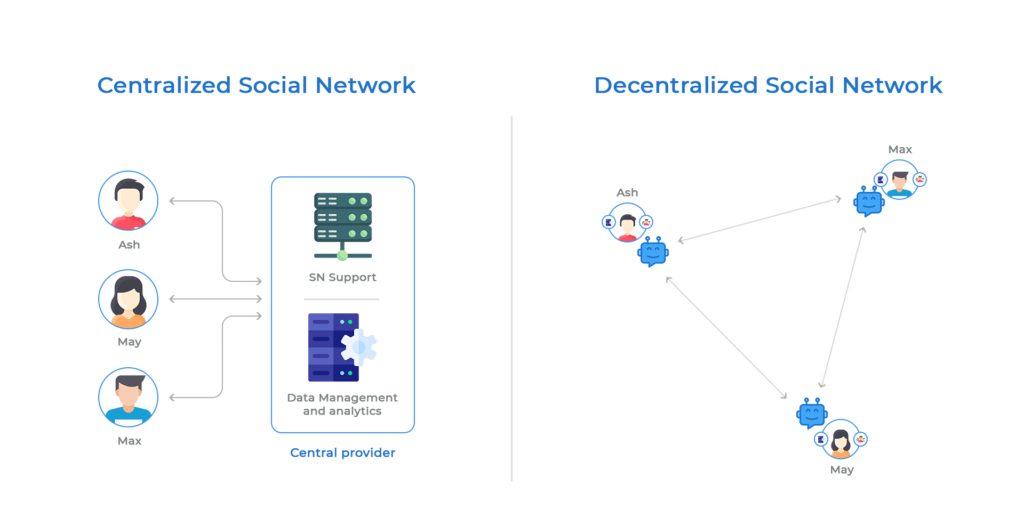
    Decentralized social media protocols are open technologies that allow social networks to operate without relying entirely on one company or platform. Instead of keeping users, posts, identities, and social graphs inside a single application, these protocols distribute control across servers, relays, users, or blockchain infrastructure.

    Major Decentralized Social Media Protocols

    ActivityPub is a W3C-standardized protocol based on federation. Different independently operated servers can communicate with one another, allowing users on different services to interact. Mastodon is one of its best-known implementations.

    AT Protocol is the protocol behind Bluesky. It focuses on portable identities, user repositories, interoperability, and allowing different services to participate in the same social ecosystem.

    Nostr uses cryptographically signed events distributed through independent relays. A user’s identity is based on a cryptographic key pair, while relays handle the distribution and storage of social data.

    Farcaster combines on-chain identity with off-chain social data. Its architecture uses cryptographic identities, signed messages, and a distributed server infrastructure to allow multiple applications to build on the same social network.

    Lens Protocol takes a blockchain-oriented approach to social graphs, allowing developers to build applications around composable social identities and relationships.

    Why These Protocols Matter

    Traditional social networks generally combine the application, identity, social graph, content distribution, and moderation system into one platform. Decentralized protocols attempt to separate some of these components. This can make user identities, audiences, content, or social relationships more portable between applications.

    However, decentralization does not mean every component is equally decentralized. Different protocols make different architectural trade-offs involving identity, storage, discovery, moderation, scalability, and usability.

    For example, ActivityPub emphasizes federation, Nostr relies heavily on independent relays, AT Protocol uses a modular federated architecture, and Farcaster combines blockchain-based identity with distributed data infrastructure.

    The Future of Decentralized Social Media

    Research comparing these architectures suggests that there is no single design that solves every problem. Decentralized social systems still have to balance user sovereignty with usability, scalability, discovery, moderation, and interoperability.

    As these protocols develop, social media may increasingly become a collection of interoperable applications built on shared infrastructure rather than one platform controlling the entire social graph.

  • Capsule Wardrobe Color Planning Guide

    Capsule Wardrobe Color Planning Guide

    Capsule wardrobe color planning makes it easier to create a versatile wardrobe without buying too many clothes. Instead of choosing colors randomly, you build a coordinated palette where most pieces can be mixed and matched. A well-planned color scheme can reduce outfit decisions, make shopping more intentional, and help you get more combinations from a smaller collection of clothing.

    The key is not to limit yourself to boring colors. A capsule wardrobe can include bold shades, soft tones, earthy colors, or classic neutrals. The important thing is that the colors work together.

    What Is Capsule Wardrobe Color Planning?

    Capsule wardrobe color planning is the process of selecting a limited group of clothing colors that complement one another. These colors are then used across shirts, trousers, dresses, jackets, shoes, bags, and accessories.

    A practical palette usually contains several neutral colors supported by one or two accent shades. Neutrals provide the foundation, while accent colors add variety.

    For example, a simple palette could include:

    • Black
    • White
    • Gray
    • Burgundy
    • Forest green

    Most clothing can come from the first three colors, while burgundy and forest green can be used for statement pieces.

    Why Color Planning Matters

    Without a consistent color palette, a small wardrobe can still feel difficult to use. You might own several attractive pieces but discover that many of them only work with one particular outfit.

    Color planning solves this problem by increasing compatibility between clothing items.

    A coordinated palette can help you:

    • Create more outfits from fewer pieces
    • Reduce unnecessary shopping
    • Make outfit selection faster
    • Avoid difficult color combinations
    • Build a more consistent personal style
    • Identify useful colors before buying new clothes

    The objective is not to own as few clothes as possible. Instead, it is to make the clothes you own work together more effectively.

    Start With Neutral Colors

    Neutral colors are usually the foundation of a capsule wardrobe because they can work with many different shades.

    Common wardrobe neutrals include:

    • Black
    • White
    • Gray
    • Navy
    • Cream
    • Beige
    • Brown
    • Camel
    • Olive

    You do not need every neutral. Choosing two or three that you genuinely like is usually more practical.

    For example, someone who prefers darker clothing might build around:

    Black + charcoal + white

    Someone who prefers warmer colors could use:

    Brown + cream + camel

    Another option is:

    Navy + gray + white

    The best neutral palette is one that matches the clothes you already enjoy wearing.

    Add Accent Colors

    Once your neutral foundation is established, choose one or two accent colors.

    Accent colors can include:

    • Burgundy
    • Forest green
    • Rust
    • Cobalt blue
    • Mustard
    • Dusty pink
    • Lavender
    • Teal
    • Terracotta

    The accent colors do not need to appear in every outfit. They can be used for sweaters, shirts, jackets, scarves, bags, or other noticeable pieces.

    For example, a wardrobe based on navy, cream, and gray could introduce burgundy as its primary accent. A burgundy sweater could then be combined with navy trousers, gray trousers, cream jeans, or dark denim.

    Consider Color Temperature

    Color temperature can make a wardrobe look more coordinated. Colors are often described as warm, cool, or neutral.

    Warm colors generally include shades such as:

    • Rust
    • Camel
    • Terracotta
    • Warm brown
    • Mustard
    • Olive

    Cool colors can include:

    • Navy
    • Cobalt
    • Icy blue
    • Cool gray
    • Lavender

    You do not have to follow strict color theory. However, choosing colors with similar undertones can make combinations feel more natural.

    For example, cream, camel, warm brown, and rust can create a cohesive warm palette. Navy, cool gray, white, and cobalt can create a cooler palette.

    Use Your Existing Wardrobe

    One of the easiest ways to create a color palette is to start with clothes you already own.

    Take out your most frequently worn clothing and look for patterns. You may discover that most of your wardrobe already revolves around a few colors.

    Ask yourself:

    • Which colors do I wear most often?
    • Which colors do I rarely wear?
    • Which trousers work with the most tops?
    • Which jackets match several outfits?
    • Which colors do I naturally reach for?

    If you repeatedly choose navy trousers, white shirts, gray sweaters, and brown shoes, there is little reason to completely change your color scheme.

    Your existing wardrobe can provide the foundation for your capsule.

    Follow the Three-Outfit Rule

    Before buying a new colored item, try the three-outfit rule.

    Ask whether the item can create at least three different outfits with clothing you already own.

    For example, imagine you want to buy a forest-green sweater. If it works with:

    1. Black trousers
    2. Blue jeans
    3. Cream trousers

    then it has good versatility.

    However, if a particular color only works with one item in your wardrobe, it may not be the most useful addition to a capsule collection.

    Create a Color Ratio

    A useful way to organize your palette is to give different colors different levels of importance.

    For example:

    60% neutrals + 30% secondary colors + 10% accents

    This is not a strict fashion rule. It is simply a planning method.

    Your largest group might include everyday trousers, shirts, jackets, and basic tops. Secondary colors can add more variety, while accent colors can appear in smaller quantities.

    This prevents the wardrobe from becoming dominated by too many unrelated shades.

    Build Around Your Most Important Pieces

    Not every item needs to follow the same color pattern.

    Start with the pieces that have the biggest impact on your wardrobe:

    • Trousers
    • Jeans
    • Jackets
    • Coats
    • Shoes
    • Everyday tops

    For example, if your main trousers are black, navy, and beige, select tops that can work with all three. This creates more combinations without requiring additional bottoms.

    Shoes should also be considered because footwear can influence the overall color balance of an outfit.

    Don’t Be Afraid of Color

    A capsule wardrobe does not have to be entirely neutral.

    If you love bright colors, they can be part of your capsule. The important thing is to select colors that can be repeated and combined.

    For example:

    Black + white + cobalt + burgundy

    creates a colorful but controlled palette.

    Another option is:

    Cream + brown + olive + rust

    which provides more earthy variation.

    The goal is not to eliminate color. The goal is to avoid unnecessary color combinations that make individual pieces difficult to style.

    Seasonal Color Changes

    Your capsule wardrobe can change slightly between seasons.

    A spring palette might use:

    • White
    • Cream
    • Light blue
    • Sage
    • Soft pink

    A summer palette could emphasize:

    • White
    • Navy
    • Beige
    • Sky blue
    • Olive

    An autumn palette might use:

    • Brown
    • Cream
    • Olive
    • Rust
    • Burgundy

    A winter palette could include:

    • Black
    • Charcoal
    • Navy
    • Burgundy
    • Forest green

    You do not need to completely replace your wardrobe every season. Keeping the same core neutrals while changing one or two accent colors can provide seasonal variety.

    Use Color for Accessories

    Accessories are an easy place to introduce accent colors without purchasing large amounts of clothing.

    Consider using accent colors in:

    • Bags
    • Belts
    • Hats
    • Scarves
    • Watches
    • Socks
    • Jewelry
    • Shoes

    For example, a mostly neutral wardrobe can gain variety from a burgundy bag or forest-green scarf.

    This approach allows you to experiment with colors before committing to larger clothing pieces.

    Common Capsule Color Planning Mistakes

    One common mistake is choosing too many colors at once. A wardrobe containing ten or fifteen unrelated shades can become difficult to coordinate.

    Another mistake is choosing colors based entirely on trends. A color may be fashionable for a season but may not suit your existing wardrobe or personal preferences.

    Other mistakes include:

    • Buying colors without considering existing clothes
    • Choosing too many accent shades
    • Ignoring footwear colors
    • Buying items that only create one outfit
    • Replacing useful clothes unnecessarily
    • Assuming neutral means only black and beige

    A successful capsule should reflect your lifestyle rather than follow a rigid formula.

    Example Capsule Wardrobe Palette

    Here is one simple example:

    CategoryColor
    Main neutralNavy
    Second neutralCream
    Third neutralGray
    Accent colorBurgundy
    Secondary accentForest green
    DenimMedium blue
    ShoesBrown and white

    This palette provides enough variation for casual, smart-casual, and everyday outfits while keeping the overall wardrobe connected.

    Final Thoughts

    Capsule wardrobe color planning is primarily about compatibility. Instead of buying individual pieces without considering the rest of your wardrobe, choose a small collection of colors that can repeatedly work together.

    Start with two or three reliable neutrals, add one or two accent colors, and use your existing wardrobe as the starting point. Consider undertones, test new pieces with multiple outfits, and allow your palette to change gradually with the seasons.

    The best capsule color scheme is not necessarily the smallest or most neutral one. It is the palette that makes your existing clothes easier to combine while still reflecting your personal style.

  • Proprioception Exercises Benefits for Better Balance

    Proprioception Exercises Benefits for Better Balance

    Proprioception exercises benefits include better balance, improved body awareness, greater movement control, and support for physical rehabilitation. Proprioception is the body’s ability to sense the position and movement of its joints and limbs without needing to look at them. This internal sense helps you walk, run, change direction, maintain posture, and perform everyday movements with greater control.

    Exercises that challenge proprioception are commonly used in fitness, sports training, physical therapy, and rehabilitation. They may involve standing on one leg, walking on an uneven surface, performing controlled movements, or using balance equipment. Research suggests that proprioceptive and sensorimotor exercises can improve balance and functional performance, although the exact effects depend on the type of training and the person performing it.

    What Is Proprioception?

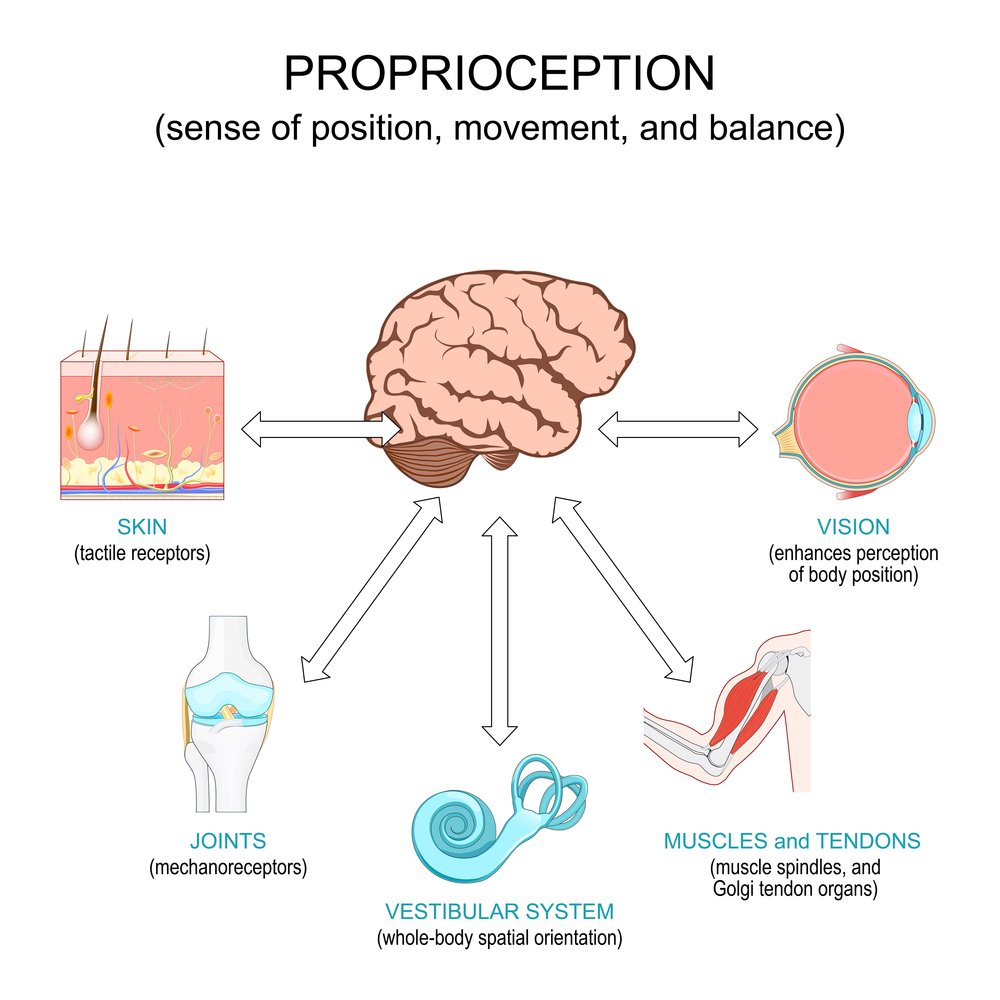
    Proprioception is sometimes described as the body’s internal sense of position. It allows the nervous system to receive information about where different parts of the body are located and how they are moving.

    Specialized sensory receptors in muscles, tendons, joints, and other tissues provide information to the nervous system. The brain then combines this information with signals from vision and the vestibular system to help coordinate movement and maintain balance.

    For example, you can close your eyes and touch your nose with your finger because your nervous system can estimate the position of your arm and hand without depending completely on your eyesight.

    Good proprioception is useful during simple activities such as walking and climbing stairs, as well as more demanding activities such as sports, dancing, jumping, and changing direction quickly.

    How Do Proprioception Exercises Work?

    Proprioception exercises generally challenge the body to control position and movement under changing conditions.

    A simple example is a single-leg stand. When you stand on one leg, your body continuously makes small adjustments to keep you upright. Your muscles, joints, vision, and nervous system work together to maintain stability.

    Other exercises may reduce visual information, introduce unstable surfaces, or require controlled movement through different positions.

    The goal is not simply to make an exercise difficult. Effective training should provide an appropriate challenge that encourages the nervous system and muscles to coordinate movement more accurately.

    Proprioception Exercises Benefits for Balance

    One of the most commonly discussed proprioception exercises benefits is improved balance.

    Balance depends on information from several sensory systems. Proprioception contributes information about body and joint position, while vision and the vestibular system provide additional information about orientation and movement.

    A 2024 systematic review and meta-analysis involving older adults found that sensorimotor and proprioceptive exercise programs improved several balance-related measures, including the Berg Balance Scale, Timed Up and Go test, functional reach, and single-leg stance. However, the researchers also rated the overall evidence from very low to low, meaning that more high-quality research is needed.

    Exercises that challenge balance may therefore be useful for people who want to improve their ability to control their body during standing and movement.

    Improved Body Awareness

    Another important benefit is greater awareness of body position.

    Proprioception helps you recognize where your limbs are without constantly looking at them. Training exercises can give the nervous system repeated opportunities to process information about joint angles, movement, and position.

    For example, controlled lunges require awareness of foot placement, knee position, hip movement, and trunk alignment. Repeating the movement can help develop greater control over the positions involved.

    However, it is important to distinguish general balance improvement from a direct improvement in proprioceptive perception. A recent systematic review found that exercises specifically designed to target particular proprioceptive functions produced more consistent improvements in direct measures of proprioception than broader programs that simply improved balance or strength.

    Better Movement Control

    Proprioception is closely connected with movement coordination.

    When you move, your nervous system constantly receives information about what your body is doing. This information helps you make adjustments while the movement is happening.

    For example, when walking over an uneven surface, your foot may land at a slightly different angle than expected. Your nervous system can detect the change and help your muscles respond.

    Proprioception exercises can recreate some of these challenges in a controlled environment. Over time, this type of practice may help people become more comfortable controlling their body during movements that require balance and coordination.

    Support for Sports Performance

    Athletes frequently use balance and proprioceptive exercises as part of training and rehabilitation.

    Sports such as football, basketball, tennis, volleyball, and martial arts involve frequent changes in direction, rapid stops, jumps, and single-leg movements. These activities require the body to respond quickly to changes in position.

    Exercises such as single-leg balance, lateral lunges, controlled landing drills, and balance-board exercises can introduce movement challenges similar to those encountered during physical activity.

    Proprioception training should not be considered a replacement for strength, conditioning, technique, or sport-specific training. Instead, it can be incorporated as one component of a broader training program.

    Proprioception Exercises and Rehabilitation

    Proprioceptive exercises are also used in rehabilitation programs.

    After certain injuries or surgical procedures, a person may experience changes in balance, movement confidence, strength, or joint control. Rehabilitation professionals may use exercises that progressively challenge these abilities.

    Research involving people undergoing hip or knee replacement has examined balance and proprioceptive training as part of rehabilitation. A 2025 systematic review and meta-analysis found that balance training was not consistently superior to conventional rehabilitation across a wide range of outcomes, although some measures showed improvement.

    This highlights an important point: proprioceptive exercises can be useful, but they should generally be selected according to the individual’s condition, goals, and rehabilitation needs.

    Common Proprioception Exercises

    There are many ways to train proprioception. Some exercises require little or no equipment.

    1. Single-Leg Stand

    Stand upright and slowly lift one foot from the floor. Hold the position while maintaining control.

    To make the exercise more challenging, you can gradually increase the duration or change the conditions under which you perform it. Beginners should perform balance exercises near a stable surface for support.

    2. Heel-to-Toe Walking

    Walk forward by placing the heel of one foot close to the toes of the opposite foot.

    This exercise creates a narrow base of support and challenges balance and coordination.

    3. Single-Leg Reach

    Stand on one leg and slowly reach the other leg forward, backward, or sideways.

    Keep the movement controlled rather than rushing through it.

    4. Controlled Lunges

    Lunges can challenge the body’s ability to control the hips, knees, ankles, and trunk.

    Perform them slowly and focus on maintaining good alignment.

    5. Balance Board Exercises

    Balance boards and similar equipment can create an unstable surface. The body must continuously make small adjustments to remain balanced.

    These exercises can be more difficult than basic balance drills and should be introduced gradually.

    6. Step-Up Exercises

    Step-ups require controlled movement of the legs while maintaining balance.

    You can perform them on a stable step or platform at an appropriate height.

    7. Uneven-Surface Walking

    Walking on an appropriately safe uneven surface can challenge the sensory and motor systems involved in balance.

    Research reviews have identified uneven-surface walking and other multisensory activities as components of proprioceptive or sensorimotor training programs.

    Benefits for Older Adults

    Proprioceptive and sensorimotor exercises can be particularly relevant for older adults because balance and sensory function can change with age.

    The 2024 systematic review mentioned earlier found significant improvements in multiple balance measures following proprioceptive or sensorimotor exercise programs in older adults. However, the authors noted limitations in the quality and consistency of the evidence.

    More recent research also continues to investigate multisensory exercise programs involving proprioceptive, visual, vestibular, and balance challenges. A 2025 scoping review found considerable variation in exercise design, frequency, intensity, and outcome measurements, making direct comparisons between studies difficult.

    For older adults, exercises should therefore be selected according to current ability and performed in a safe environment.

    Proprioception and Fall Prevention

    Balance training is often included in programs designed to reduce fall risk.

    Proprioception is only one part of fall prevention. Strength, vision, reaction time, gait, environmental hazards, medication effects, and other factors can also influence fall risk.

    Some research on perturbation-based balance training has found improvements in balance control, mobility, gait speed, and other outcomes in older adults. However, perturbation training is a specific form of balance training and should not automatically be treated as equivalent to every type of proprioceptive exercise.

    This distinction matters because different exercises train different physical and sensory abilities.

    How Often Should You Do Proprioception Exercises?

    There is no single schedule that works for everyone.

    A beginner can start with short balance sessions several times per week. The difficulty can then be increased gradually as control improves.

    Progression may involve:

    • Increasing the duration of a balance exercise
    • Adding controlled movement
    • Reducing hand support
    • Changing the base of support
    • Adding a reaching task
    • Introducing an appropriate unstable surface
    • Combining balance with functional movements

    The exercise should remain challenging without becoming uncontrolled or unsafe.

    Safety Tips

    Balance exercises can create a risk of falling if they are performed in an inappropriate environment.

    Beginners should consider exercising near a sturdy support such as a countertop, rail, or stable piece of furniture. Clear the surrounding area of objects that could cause a trip.

    Avoid progressing to difficult unstable-surface exercises before you can safely perform basic balance movements.

    People recovering from an injury, surgery, neurological condition, or significant balance problem should discuss exercise selection with an appropriate healthcare or rehabilitation professional. Balance refers to the ability to maintain or regain body stability.

    Balance uses information from proprioception, vision, and the vestibular system, along with muscular strength and nervous-system control.

    This is why an exercise can improve balance without necessarily producing a measurable improvement in a specific aspect of proprioceptive perception. Recent research emphasizes that proprioceptive training is sometimes used as a broad label for exercises that actually involve several sensory and motor systems.

    Who Can Benefit From Proprioception Exercises?

    Different groups may incorporate proprioceptive exercises into their training or rehabilitation, including:

    • Athletes
    • Recreationally active adults
    • Older adults
    • People working on general balance
    • Individuals recovering from certain injuries
    • People participating in physical rehabilitation

    The appropriate exercises depend on the person’s physical condition and goals.

    For someone simply looking to improve general balance, basic single-leg exercises and controlled movement drills may be sufficient. Someone recovering from an injury may need a more structured progression designed by a physical therapist or other qualified professional.

    Final Thoughts

    The main proprioception exercises benefits involve improving the body’s ability to control position and movement. These exercises can support balance, coordination, body awareness, and functional movement when appropriately selected and progressed.

    Research supports potential improvements in balance and functional measures, particularly among older adults, but the evidence is not uniform. Proprioception is also more specific than general balance, and exercises that directly target a particular proprioceptive ability may produce different results from broad balance-training programs.

    A practical approach is to start with simple movements such as single-leg stands, controlled lunges, step-ups, and heel-to-toe walking. As ability improves, exercises can become more challenging through controlled changes in movement, support, or surface conditions.

    For rehabilitation or significant balance difficulties, professional guidance can help ensure that exercises are appropriate and performed safely.

  • Decoy Pricing Strategy: How the Decoy Effect Influences Buying Decisions

    Decoy Pricing Strategy: How the Decoy Effect Influences Buying Decisions

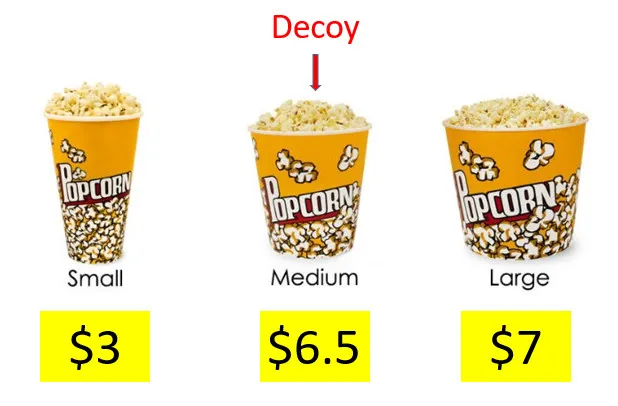
    Decoy pricing strategy is a marketing technique that uses an additional pricing option to influence how customers compare products or services. Instead of simply offering two choices, a business introduces a third option that is deliberately less attractive than the option it wants customers to consider. This third option is called a decoy.

    The strategy is closely related to the decoy effect, also known as the asymmetric dominance effect or attraction effect. Research shows that adding an inferior alternative can change how people evaluate the existing choices, sometimes increasing preference for the option that dominates the decoy.

    Decoy pricing can be found in subscription plans, product packages, restaurant menus, retail offers, online stores, and other situations where customers must compare several alternatives.

    What Is a Decoy Pricing Strategy?

    A decoy pricing strategy involves creating three choices instead of two:

    • Competitor: The alternative customers might naturally choose.
    • Target: The option the business wants to make more attractive.
    • Decoy: An inferior option designed to make the target look better by comparison.

    The decoy is usually similar to the target but provides noticeably less value for a similar price.

    For example, imagine a streaming service offers these plans:

    PlanMonthly PriceFeatures
    Basic$85 features
    Standard$1512 features
    Premium$1620 features

    Here, the Standard plan could function as a decoy if the business wants customers to move toward Premium. The small price difference between Standard and Premium makes Premium appear more attractive in terms of features received for the additional cost.

    The important element is not simply having a cheap, medium, and expensive product. The options need to be structured so that one option is clearly inferior to the target on relevant attributes.

    How Does Decoy Pricing Work?

    Decoy pricing changes the context in which customers evaluate choices.

    Without a decoy, customers may compare two products directly. They might focus on price, quality, features, size, or another attribute.

    When a carefully designed third option is introduced, customers gain another comparison point. The target may suddenly appear to offer stronger relative value.

    Research on asymmetric dominance describes the decoy as an alternative that is inferior to the target but does not have the same relationship with the competitor.

    For example:

    • Option A: $10 for 5 features
    • Option B: $20 for 15 features
    • Option C: $19 for 8 features

    Option C may make Option B appear significantly more attractive because customers can see that paying only slightly more provides considerably more features.

    The customer’s decision has therefore been influenced by the relationship between the choices, rather than by looking at each product independently.

    The Decoy Effect and Consumer Choice

    The decoy effect has been studied extensively in consumer behavior and decision-making research. Early work examined how adding an asymmetrically dominated alternative could shift preferences between existing products.

    A 2019 experimental study found that the asymmetric dominance effect could be replicated in risky-choice settings, although the effect depended on participants’ existing preferences. The researchers also found that adding another decoy did not necessarily make the effect stronger.

    This is important because decoy pricing is not a guaranteed method for increasing sales. The design of the choices, customer preferences, and product category can all affect the outcome.

    A Famous Example of Decoy Pricing

    One frequently discussed example involves subscription pricing.

    A classic illustration used three subscription choices:

    • Web-only access for $59
    • Print-only access for $125
    • Print and web access for $125

    The print-only option makes the combined print-and-web package look particularly attractive because customers receive more for the same price. Research discussing this example describes the print-only option as the decoy.

    The example demonstrates an important principle of decoy pricing: the decoy does not necessarily need to be the cheapest option.

    Its primary purpose is to create a comparison that makes another option easier to justify.

    Decoy Pricing in Subscription Plans

    Subscription businesses are particularly suitable for decoy pricing because they can adjust multiple attributes, including:

    • Monthly price
    • Storage
    • Number of users
    • Features
    • Support
    • Download limits
    • Advertising
    • Quality levels
    • Usage limits

    Consider a cloud-storage company offering:

    PlanStoragePrice
    Personal100 GB$5
    Professional500 GB$14
    Business1 TB$15

    The Professional plan can become less appealing when Business provides twice the storage for only $1 more.

    Alternatively, a business might deliberately structure the middle option so that the highest option appears to offer considerably more value.

    This type of comparison can encourage upselling, where customers move from a lower-priced product toward a more expensive package.

    Research on competitive retailers has examined how businesses can use decoys to draw consumer attention toward alternatives with higher prices or different profitability characteristics.

    Decoy Pricing in Restaurants

    Restaurants can also use decoy pricing through menu design.

    Suppose a restaurant offers:

    • Regular burger — $8
    • Premium burger — $14
    • Large premium burger — $15

    If the $14 option offers only modest improvements over the $8 option while the $15 option includes significantly more food or features, the highest-priced option may appear easier to justify.

    Another example could involve beverages:

    • Small — $3
    • Medium — $5
    • Large — $5.50

    The medium option can make the large option appear more valuable because customers see a relatively small price difference for additional quantity.

    Research has investigated priced-based decoys in restaurant menus and found that menu choices can be influenced by the introduction of a similar but inferior alternative.

    Decoy Pricing in E-Commerce

    Online stores have an advantage when using decoy pricing because they can display multiple options side by side.

    A pricing page might show:

    Starter — $9/month
    5 projects

    Professional — $19/month
    20 projects

    Business — $20/month
    Unlimited projects

    The comparison immediately highlights the difference between Professional and Business.

    E-commerce companies can also experiment with different combinations of:

    • Prices
    • Product specifications
    • Shipping options
    • Bundles
    • Features
    • Warranty periods
    • Service levels

    Research has specifically examined decoy effects in online environments and found that the strength of the effect can vary depending on factors such as salience and consumer risk preferences.

    Benefits of a Decoy Pricing Strategy

    A properly designed decoy pricing strategy can provide several potential benefits.

    1. Makes the Target Option Easier to Compare

    Customers sometimes struggle when products have different prices and features. A decoy can establish a clearer comparison point.

    2. Can Encourage Upselling

    A higher-priced package may become easier for customers to justify when a nearby alternative offers noticeably less value.

    3. Can Increase Perceived Value

    The target product may appear more valuable because customers compare it directly with the decoy.

    4. Works With Multiple Pricing Models

    Businesses can apply the concept to subscriptions, bundles, physical products, digital services, and menus.

    5. Provides More Flexible Pricing Design

    Instead of changing only the target product’s price, businesses can change the overall structure of the available options.

    Limitations of Decoy Pricing

    Decoy pricing should not be treated as a universal sales formula.

    Research has found that the effect can vary considerably across situations. A 2023 study, for example, reported that empirical estimates of preference shifts have varied and that the decoy effect can fail under some circumstances.

    Several factors can affect its performance.

    Customer Preferences

    If customers already have a very strong preference for one product, adding a decoy may have little impact.

    Poorly Designed Decoys

    A decoy that is too attractive may compete with the target rather than strengthen it.

    Large Price Differences

    If the target is dramatically more expensive, customers may not consider the additional benefits sufficient.

    Customer Awareness

    Experienced shoppers may recognize unusual pricing structures and evaluate the options independently.

    Product Category

    A pricing technique that works for software subscriptions may not work in the same way for groceries, electronics, or professional services.

    Real-World Evidence

    Decoy pricing has also been investigated outside controlled laboratory experiments.

    A 2020 Marketing Science study examined the decoy effect using data from an online diamond retailer. The researchers found that when decoy-dominant relationships were detected, the sales hazard of the dominant diamonds increased by between 1.8 and 3.2 times. Their analysis estimated a 14.3% increase in gross profit associated with the decoy effect in that particular market and setting.

    This provides evidence that contextual pricing effects can have measurable commercial consequences. However, the result comes from a specific market and should not be interpreted as a guaranteed percentage increase for every business.

    Decoy Pricing vs. Psychological Pricing

    Decoy pricing and psychological pricing are related but different techniques.

    Psychological pricing includes methods such as pricing an item at $9.99 instead of $10. The goal is often to influence how the price is perceived.

    Decoy pricing, on the other hand, depends primarily on the relationship between multiple alternatives.

    For example:

    • $9.99 instead of $10 = psychological price presentation
    • $10, $18, and $19 options structured to make the $19 option attractive = potential decoy pricing

    The difference is that decoy pricing requires a choice context involving multiple alternatives.

    How to Create a Decoy Pricing Strategy

    Businesses can approach the strategy systematically.

    Step 1: Identify the Target

    Decide which product, package, or subscription you want customers to consider.

    Step 2: Identify the Competitor

    Determine which alternative customers are likely to compare against the target.

    Step 3: Create the Decoy

    Develop an option that is similar to the target but clearly less attractive on important attributes.

    Step 4: Establish a Clear Comparison

    Make the differences between the options easy to understand. Customers should be able to recognize the relative value without complicated calculations.

    Step 5: Test the Pricing Structure

    Use controlled experiments or A/B tests where appropriate. Measure conversion rates, average order value, revenue, and customer behavior.

    Step 6: Monitor Customer Response

    If customers consistently choose the decoy, the pricing structure may need to be redesigned. A decoy should support the intended comparison rather than become the main product customers purchase.

    Is Decoy Pricing Ethical?

    The ethics of decoy pricing depend partly on how the strategy is implemented.

    Businesses can legitimately structure products and prices so customers can compare different levels of value. However, deliberately making an option misleading, hiding important terms, or creating false information about product value raises different concerns.

    Transparent pricing is particularly important for online subscriptions and recurring services. Customers should be able to understand what each option includes and what they will actually pay.

    A decoy should therefore be based on genuine products or packages with clearly disclosed prices and features rather than deceptive information.

    Final Thoughts

    Decoy pricing strategy is a pricing and marketing technique that uses a carefully structured third option to influence how customers compare existing choices. The decoy is typically inferior to the target but positioned so that the target becomes more attractive relative to another competitor.

    Research has documented the asymmetric dominance effect across different decision-making settings, while also showing that its strength is not uniform and can depend on consumer preferences and the structure of the choice set.

    For businesses, the key lesson is that pricing is not only about the number attached to a product. The surrounding choices can also influence how customers perceive value. When used transparently and tested carefully, decoy pricing can be a useful tool for designing product tiers, subscription plans, bundles, and other commercial offers.

  • Dopamine Menu Ideas for a Better Daily Routine

    Dopamine Menu Ideas for a Better Daily Routine

    Dopamine menu ideas can make it easier to choose enjoyable activities when you feel bored, distracted, overwhelmed, or unmotivated. Instead of deciding what to do in the moment, a dopamine menu gives you a prepared list of activities that can help you relax, recharge, or make difficult tasks more enjoyable.

    The concept is often compared with a restaurant menu. You create different categories of activities, such as quick starters, main activities, side options, desserts, and special treats. The goal is to have different choices available depending on your energy, mood, and available time. UBC Science describes the dopamine menu as a personalized list that can reduce the mental effort involved in deciding what to do when you feel stuck.

    What Is a Dopamine Menu?

    A dopamine menu is a personalized collection of activities that you enjoy and can turn to when you need stimulation, motivation, relaxation, or a mental break.

    The idea was popularized by ADHD advocate Jessica McCabe of How to ADHD. Rather than trying to force yourself to be productive all the time, the menu gives you enjoyable alternatives that can be selected intentionally.

    A typical dopamine menu can include:

    • Starters: Very short activities
    • Main courses: Longer activities that provide deeper satisfaction
    • Sides: Things that make another activity more enjoyable
    • Desserts: Fun activities that can be easy to overuse
    • Specials: Bigger activities saved for occasional occasions

    The important part is personalization. An activity that feels rewarding to one person may be boring to another.

    Why Use Dopamine Menu Ideas?

    One of the biggest advantages of creating a menu is reducing decision-making.

    When you are tired or unmotivated, even choosing something enjoyable can feel difficult. Instead of scrolling through social media wondering what to do, you can simply look at your list and choose an activity.

    A dopamine menu can also help you distinguish between activities that genuinely refresh you and activities that simply consume your time.

    For example, watching an episode of a favorite show may leave you relaxed, while endlessly scrolling through short videos may leave you feeling more distracted. Your menu can prioritize activities that you personally find satisfying.

    Dopamine is involved in the brain’s reward system and also plays roles in motivation, learning, memory, and movement. However, a dopamine menu should not be understood as a medical method for controlling dopamine levels.

    1. Starter Dopamine Menu Ideas

    Starters are activities that take only a few minutes. They are useful when you need a quick change of pace or want to transition into another activity.

    Some starter dopamine menu ideas include:

    • Make a cup of tea or coffee
    • Listen to one favorite song
    • Stretch for five minutes
    • Take a few deep breaths
    • Drink a glass of water
    • Step outside for fresh air
    • Open a window
    • Water your plants
    • Send a message to a friend
    • Organize your desk
    • Doodle on paper
    • Pet your dog or cat
    • Walk around your room
    • Make a quick snack

    These activities are particularly useful when you don’t have enough time for a longer break.

    For example, if you are working on an assignment and feel stuck, you could listen to one song, stretch, and then return to the assignment.

    2. Main Course Dopamine Menu Ideas

    Main courses are longer activities that can provide more meaningful enjoyment. They may take anywhere from 20 minutes to several hours.

    Examples include:

    • Going for a walk
    • Exercising
    • Cooking a favorite meal
    • Reading a book
    • Drawing
    • Painting
    • Writing
    • Editing videos
    • Playing a musical instrument
    • Working on a creative project
    • Watching a movie
    • Taking a relaxing shower
    • Listening to a podcast
    • Meeting a friend
    • Playing a favorite game

    UBC Science gives similar examples, including cooking, creative hobbies, relaxing activities, reading, and listening to podcasts.

    The best main-course activities are those that leave you feeling satisfied rather than simply filling time.

    For example, spending an hour learning video editing might be more rewarding for you than spending an hour randomly scrolling online.

    3. Side Dopamine Menu Ideas

    Sides are activities that you combine with something else.

    This category is especially useful for boring or repetitive tasks.

    For example, you could:

    • Listen to music while cleaning
    • Listen to a podcast while walking
    • Play an audiobook while organizing your room
    • Chew gum while studying
    • Use a stress ball while reading
    • Listen to ambient sounds while working
    • Work alongside a friend
    • Light a pleasant candle while journaling

    UBC Science suggests using sides to make challenging activities more enjoyable, with examples such as background music, fidget objects, scented candles, and mindful snacks.

    The idea isn’t necessarily to make every task entertaining. Instead, a small enjoyable element can make an unpleasant task easier to start.

    4. Dessert Dopamine Menu Ideas

    Desserts are highly enjoyable activities that you might want to use after completing something difficult.

    Examples include:

    • Watching YouTube
    • Watching an anime episode
    • Playing a video game
    • Checking social media
    • Watching a favorite TV show
    • Looking at funny videos
    • Playing a mobile game
    • Rewatching a favorite movie scene
    • Browsing interesting content

    These activities can be perfectly reasonable parts of your day. The main consideration is whether they are helping you recharge or causing you to lose control of your time.

    For example, you might decide to watch one episode after completing a study session rather than opening a social media app whenever you feel bored.

    UBC Science specifically places activities such as social media, YouTube, streaming services, and mobile games in the dessert category because they can be enjoyable but are also easy to overuse.

    5. Special Dopamine Menu Ideas

    Specials are bigger activities that you don’t necessarily do every day.

    They could include:

    • Going to a concert
    • Taking a day trip
    • Visiting a new café
    • Going on a weekend trip
    • Spending a day with friends
    • Visiting a new place
    • Going to the cinema
    • Trying a new hobby
    • Planning an outdoor adventure
    • Having a full movie night

    These activities can give you something positive to look forward to.

    Planning and anticipating enjoyable experiences can itself contribute to positive feelings and motivation. Cleveland Clinic notes that imagining and planning future activities can be rewarding.

    Dopamine Menu Ideas for Work

    You can also create a menu specifically for work or studying.

    For example:

    Before starting:

    • Make tea
    • Play one song
    • Clear your desk
    • Stretch for two minutes

    During work:

    • Listen to instrumental music
    • Use a comfortable workspace
    • Keep water nearby
    • Use a fidget object

    After finishing:

    • Watch one episode
    • Play a game
    • Go for a walk
    • Talk with a friend

    This approach creates small moments of enjoyment without requiring you to abandon the task completely.

    Dopamine Menu Ideas for When You’re Bored

    Boredom is one of the best times to use a prepared menu.

    Instead of immediately opening social media, look at your options and choose something based on how much energy you have.

    • Listen to music
    • Stretch
    • Make a drink
    • Walk outside
    • Message someone

    • Read
    • Exercise
    • Cook
    • Draw
    • Take a walk
    • Work on a hobby

    • Watch a movie
    • Meet a friend
    • Work on a creative project
    • Play a game
    • Explore somewhere nearby

    This makes the menu practical because you can choose something that fits the amount of time you actually have.

    How to Create Your Own Dopamine Menu

    Creating your own menu doesn’t need to be complicated.

    Start by writing down 15–30 activities you genuinely enjoy.

    Then divide them into categories.

    Starters

    Choose activities that take less than 10 minutes.

    Main Courses

    Choose activities that require more time but provide deeper satisfaction.

    Sides

    Choose things that make boring tasks easier.

    Desserts

    Choose highly entertaining activities that you want to use intentionally.

    Specials

    Choose occasional experiences that you look forward to.

    You can keep your menu in a notebook, notes app, calendar, or printed sheet.

    Example Personal Dopamine Menu

    Here’s a simple example:

    CategoryIdeas
    StartersMusic, tea, stretching, fresh air
    Main CoursesExercise, reading, gaming, creative work
    SidesMusic, podcasts, gum, ambient sounds
    DessertsYouTube, anime, movies, social media
    SpecialsCinema, day trip, restaurant, concert

    You can change these activities whenever your interests change.

    Dopamine Menu vs. Dopamine Detox

    A dopamine menu is sometimes confused with a “dopamine detox,” but they are very different concepts.

    A dopamine detox does not literally remove dopamine from the brain. Dopamine is a naturally occurring neurotransmitter that the body needs for normal functions. Cleveland Clinic explains that the popular idea of completely “detoxing” from dopamine is scientifically inaccurate.

    Instead of trying to eliminate pleasure, a more practical approach is to pay attention to your habits and make intentional choices.

    For example, if social media is taking too much of your time, you might set a specific period for using it and replace some scrolling time with walking, reading, exercising, or another enjoyable activity.

    How to Make Your Dopamine Menu More Effective

    Keep your menu realistic.

    Don’t fill it with activities you think you should enjoy. Include things you actually like.

    It can also help to include options with different energy requirements. Some days you may have enough energy to exercise, while on other days you may only want to listen to music or take a short walk.

    Another useful strategy is keeping your menu visible. If it is buried inside an app that you rarely open, you may forget about it.

    You can also create separate menus for different situations:

    • Morning menu
    • Work menu
    • Study menu
    • Evening menu
    • Weekend menu
    • Low-energy menu

    This makes the system easier to use.

    Final Thoughts

    Dopamine menu ideas can provide a simple way to organize enjoyable activities and make everyday routines more intentional. Instead of automatically reaching for your phone whenever you feel bored or unmotivated, you can choose from a list of activities that match your available time and energy.

    The best menu is personal. Include quick activities for short breaks, longer hobbies for deeper enjoyment, useful sides for difficult tasks, entertainment for occasional rewards, and special experiences that give you something to anticipate.