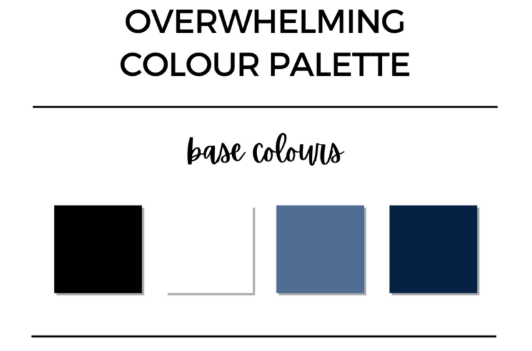
Capsule wardrobe color planning makes it easier to create a versatile wardrobe without buying too many clothes. Instead of choosing colors randomly, you build a coordinated palette where most pieces can be mixed and matched. A well-planned color scheme can reduce outfit decisions, make shopping more intentional, and help you get more combinations from a smaller collection of clothing.
The key is not to limit yourself to boring colors. A capsule wardrobe can include bold shades, soft tones, earthy colors, or classic neutrals. The important thing is that the colors work together.
What Is Capsule Wardrobe Color Planning?
Capsule wardrobe color planning is the process of selecting a limited group of clothing colors that complement one another. These colors are then used across shirts, trousers, dresses, jackets, shoes, bags, and accessories.
A practical palette usually contains several neutral colors supported by one or two accent shades. Neutrals provide the foundation, while accent colors add variety.
For example, a simple palette could include:
- Black
- White
- Gray
- Burgundy
- Forest green
Most clothing can come from the first three colors, while burgundy and forest green can be used for statement pieces.
Why Color Planning Matters
Without a consistent color palette, a small wardrobe can still feel difficult to use. You might own several attractive pieces but discover that many of them only work with one particular outfit.
Color planning solves this problem by increasing compatibility between clothing items.
A coordinated palette can help you:
- Create more outfits from fewer pieces
- Reduce unnecessary shopping
- Make outfit selection faster
- Avoid difficult color combinations
- Build a more consistent personal style
- Identify useful colors before buying new clothes
The objective is not to own as few clothes as possible. Instead, it is to make the clothes you own work together more effectively.
Start With Neutral Colors
Neutral colors are usually the foundation of a capsule wardrobe because they can work with many different shades.
Common wardrobe neutrals include:
- Black
- White
- Gray
- Navy
- Cream
- Beige
- Brown
- Camel
- Olive
You do not need every neutral. Choosing two or three that you genuinely like is usually more practical.
For example, someone who prefers darker clothing might build around:
Black + charcoal + white
Someone who prefers warmer colors could use:
Brown + cream + camel
Another option is:
Navy + gray + white
The best neutral palette is one that matches the clothes you already enjoy wearing.
Add Accent Colors
Once your neutral foundation is established, choose one or two accent colors.
Accent colors can include:
- Burgundy
- Forest green
- Rust
- Cobalt blue
- Mustard
- Dusty pink
- Lavender
- Teal
- Terracotta
The accent colors do not need to appear in every outfit. They can be used for sweaters, shirts, jackets, scarves, bags, or other noticeable pieces.
For example, a wardrobe based on navy, cream, and gray could introduce burgundy as its primary accent. A burgundy sweater could then be combined with navy trousers, gray trousers, cream jeans, or dark denim.
Consider Color Temperature
Color temperature can make a wardrobe look more coordinated. Colors are often described as warm, cool, or neutral.
Warm colors generally include shades such as:
- Rust
- Camel
- Terracotta
- Warm brown
- Mustard
- Olive
Cool colors can include:
- Navy
- Cobalt
- Icy blue
- Cool gray
- Lavender
You do not have to follow strict color theory. However, choosing colors with similar undertones can make combinations feel more natural.
For example, cream, camel, warm brown, and rust can create a cohesive warm palette. Navy, cool gray, white, and cobalt can create a cooler palette.
Use Your Existing Wardrobe
One of the easiest ways to create a color palette is to start with clothes you already own.
Take out your most frequently worn clothing and look for patterns. You may discover that most of your wardrobe already revolves around a few colors.
Ask yourself:
- Which colors do I wear most often?
- Which colors do I rarely wear?
- Which trousers work with the most tops?
- Which jackets match several outfits?
- Which colors do I naturally reach for?
If you repeatedly choose navy trousers, white shirts, gray sweaters, and brown shoes, there is little reason to completely change your color scheme.
Your existing wardrobe can provide the foundation for your capsule.
Follow the Three-Outfit Rule
Before buying a new colored item, try the three-outfit rule.
Ask whether the item can create at least three different outfits with clothing you already own.
For example, imagine you want to buy a forest-green sweater. If it works with:
- Black trousers
- Blue jeans
- Cream trousers
then it has good versatility.
However, if a particular color only works with one item in your wardrobe, it may not be the most useful addition to a capsule collection.
Create a Color Ratio
A useful way to organize your palette is to give different colors different levels of importance.
For example:
60% neutrals + 30% secondary colors + 10% accents
This is not a strict fashion rule. It is simply a planning method.
Your largest group might include everyday trousers, shirts, jackets, and basic tops. Secondary colors can add more variety, while accent colors can appear in smaller quantities.
This prevents the wardrobe from becoming dominated by too many unrelated shades.
Build Around Your Most Important Pieces
Not every item needs to follow the same color pattern.
Start with the pieces that have the biggest impact on your wardrobe:
- Trousers
- Jeans
- Jackets
- Coats
- Shoes
- Everyday tops
For example, if your main trousers are black, navy, and beige, select tops that can work with all three. This creates more combinations without requiring additional bottoms.
Shoes should also be considered because footwear can influence the overall color balance of an outfit.
Don’t Be Afraid of Color
A capsule wardrobe does not have to be entirely neutral.
If you love bright colors, they can be part of your capsule. The important thing is to select colors that can be repeated and combined.
For example:
Black + white + cobalt + burgundy
creates a colorful but controlled palette.
Another option is:
Cream + brown + olive + rust
which provides more earthy variation.
The goal is not to eliminate color. The goal is to avoid unnecessary color combinations that make individual pieces difficult to style.
Seasonal Color Changes
Your capsule wardrobe can change slightly between seasons.
A spring palette might use:
- White
- Cream
- Light blue
- Sage
- Soft pink
A summer palette could emphasize:
- White
- Navy
- Beige
- Sky blue
- Olive
An autumn palette might use:
- Brown
- Cream
- Olive
- Rust
- Burgundy
A winter palette could include:
- Black
- Charcoal
- Navy
- Burgundy
- Forest green
You do not need to completely replace your wardrobe every season. Keeping the same core neutrals while changing one or two accent colors can provide seasonal variety.
Use Color for Accessories
Accessories are an easy place to introduce accent colors without purchasing large amounts of clothing.
Consider using accent colors in:
- Bags
- Belts
- Hats
- Scarves
- Watches
- Socks
- Jewelry
- Shoes
For example, a mostly neutral wardrobe can gain variety from a burgundy bag or forest-green scarf.
This approach allows you to experiment with colors before committing to larger clothing pieces.
Common Capsule Color Planning Mistakes
One common mistake is choosing too many colors at once. A wardrobe containing ten or fifteen unrelated shades can become difficult to coordinate.
Another mistake is choosing colors based entirely on trends. A color may be fashionable for a season but may not suit your existing wardrobe or personal preferences.
Other mistakes include:
- Buying colors without considering existing clothes
- Choosing too many accent shades
- Ignoring footwear colors
- Buying items that only create one outfit
- Replacing useful clothes unnecessarily
- Assuming neutral means only black and beige
A successful capsule should reflect your lifestyle rather than follow a rigid formula.
Example Capsule Wardrobe Palette
Here is one simple example:
| Category | Color |
|---|---|
| Main neutral | Navy |
| Second neutral | Cream |
| Third neutral | Gray |
| Accent color | Burgundy |
| Secondary accent | Forest green |
| Denim | Medium blue |
| Shoes | Brown and white |
This palette provides enough variation for casual, smart-casual, and everyday outfits while keeping the overall wardrobe connected.
Final Thoughts
Capsule wardrobe color planning is primarily about compatibility. Instead of buying individual pieces without considering the rest of your wardrobe, choose a small collection of colors that can repeatedly work together.
Start with two or three reliable neutrals, add one or two accent colors, and use your existing wardrobe as the starting point. Consider undertones, test new pieces with multiple outfits, and allow your palette to change gradually with the seasons.
The best capsule color scheme is not necessarily the smallest or most neutral one. It is the palette that makes your existing clothes easier to combine while still reflecting your personal style.
Leave a Reply